Last updated November 18, 2026






Free written scope consultation - allowances, timeline, and change-order rules on paper before a single trade is scheduled
DIY vs Professional Construction: The Santa Clara Homeowner’s Decision Guide
Most homeowners assume the DIY-versus-contractor question is about skill. It isn’t. Here in California, a homeowner can legally pull their own building permit and perform their own construction work on a home they live in. The catch is what happens later: state disclosure rules mean every self-performed project gets documented at resale, and a buyer’s inspector knows exactly what amateur flatwork, framing, and roofing look like up close. This guide breaks down what Santa Clara homeowners can legitimately self-perform, where the real failure points show up, how insurance carriers actually view DIY work, and how to run the honest math on both paths.
Quick Answer
In Santa Clara, you can legally pull an owner-builder permit and do much of your own work, but the risk concentrates in a few categories: structural changes, roofing, electrical, gas, and anything touching the building envelope. Simple cosmetic upgrades, demolition, prep, and finish work are reasonable DIY territory. Roofing, paver driveways, structural additions, and anything on the seismic or waterproofing side of the line usually costs more to correct than to hire out from the start. Professional estimates in Santa Clara are free, and the written quote is what sets the final price.
Styles & brands we work with
- Kitchen remodeling
- Bathroom remodeling
- Home additions & ADU
- Roofing
- Windows & doors
- Driveway & pavers
- Fence
Table of Contents
- What California Law Actually Lets You Do Yourself
- Permit Implications, Project by Project
- How DIY Flatwork, Roofing, and Decks Fail in Santa Clara
- How DIY Work Affects Your California Homeowner’s Insurance
- The Honest Middle Ground: What You Can Prep and Finish
- How to Calculate the Real Cost of DIY
- What DIY Work Means at Resale in Santa Clara
- A Decision Framework You Can Apply in Ten Minutes
What California Law Actually Lets You Do Yourself
California’s owner-builder rules are more permissive than most people expect. If you own and occupy the home, you can apply for a permit in your own name, act as your own general contractor, and physically perform the work. You can also hire licensed subs directly and manage them yourself. What you cannot do is pull a permit for a property you don’t live in, and you cannot sell the home for a short window after receiving a permit as an owner-builder without disclosure obligations catching up to you, which is why that pathway is reserved for people genuinely intending to stay.
Here’s what that permission looks like in practice, category by category:
- Fully DIY-friendly: interior paint, flooring replacement where the subfloor is sound, cabinet refacing, tile backslash work, interior trim, fence repairs on an existing fence line.
- DIY with a permit in your name: reroofing, a new paver driveway, a replacement deck, window swaps where the opening stays the same size.
- Technically legal but genuinely risky: any structural wall removal, home additions, ADU construction, electrical panel work, gas line extensions.
- Pro-only in most cities: gas piping connections, new electrical services, anything touching the main service panel.
Santa Clara’s building department is responsive and its inspectors know the housing stock well – a large share of it built between the 1950s and 1980s. If your home predates the seismic code updates of the late 1970s, a permit isn’t just paperwork; it’s an opportunity for an inspector to flag a bigger issue while the walls are open. That’s usually a good thing, but it’s an expensive surprise if you weren’t expecting it.
Permit Implications, Project by Project
Every project type carries a different permit weight in Santa Clara. Some require a full plan set and multiple inspections; others are over-the-counter. Knowing which bucket your project falls into changes the calculation significantly, because the permit itself becomes a real line item in your DIY budget.
Here’s how the seven major project categories typically shake out:
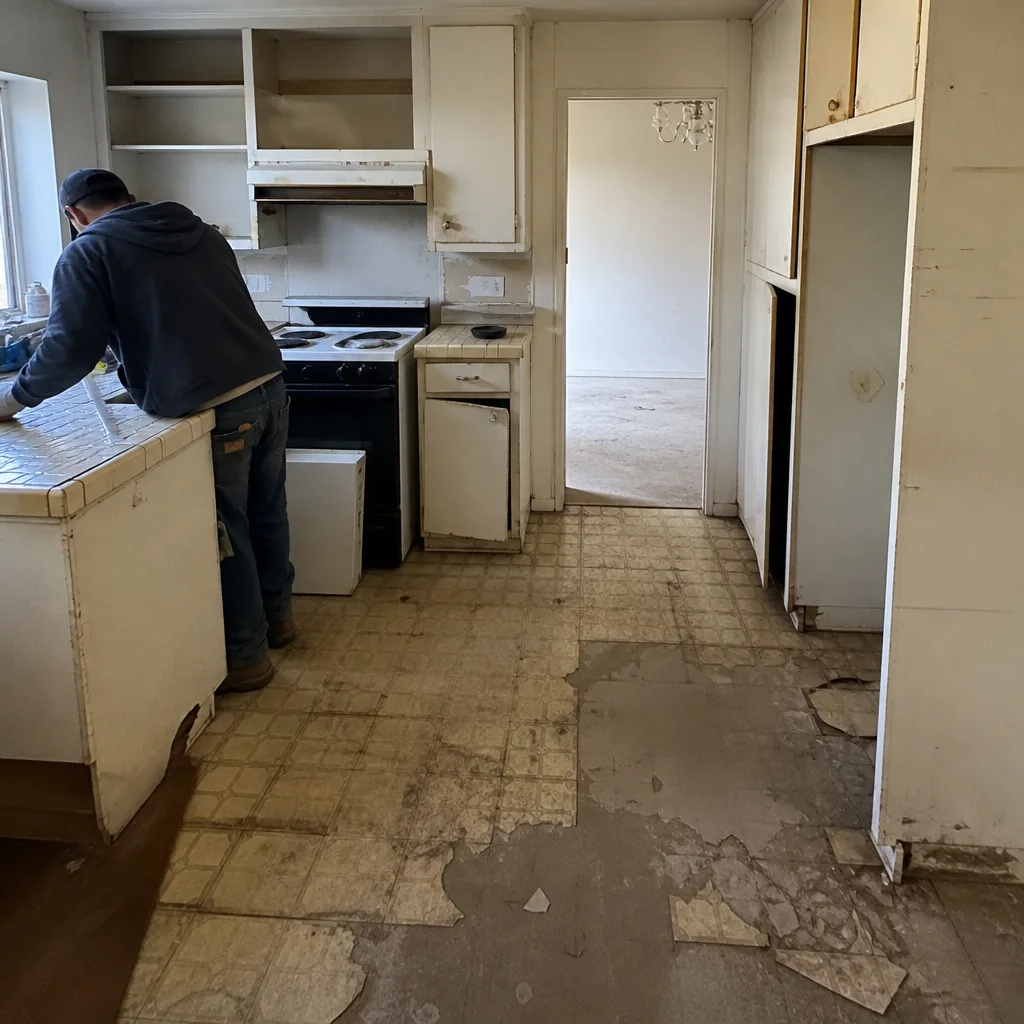
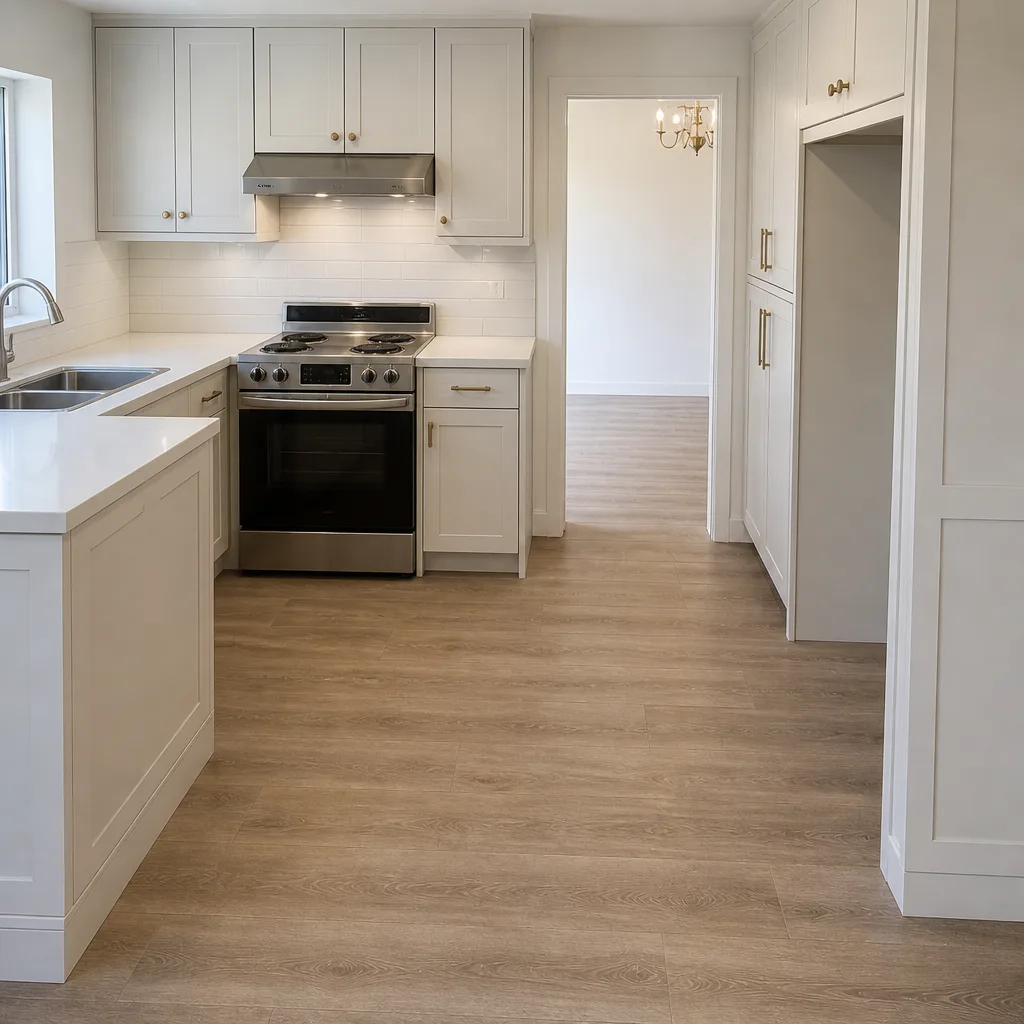
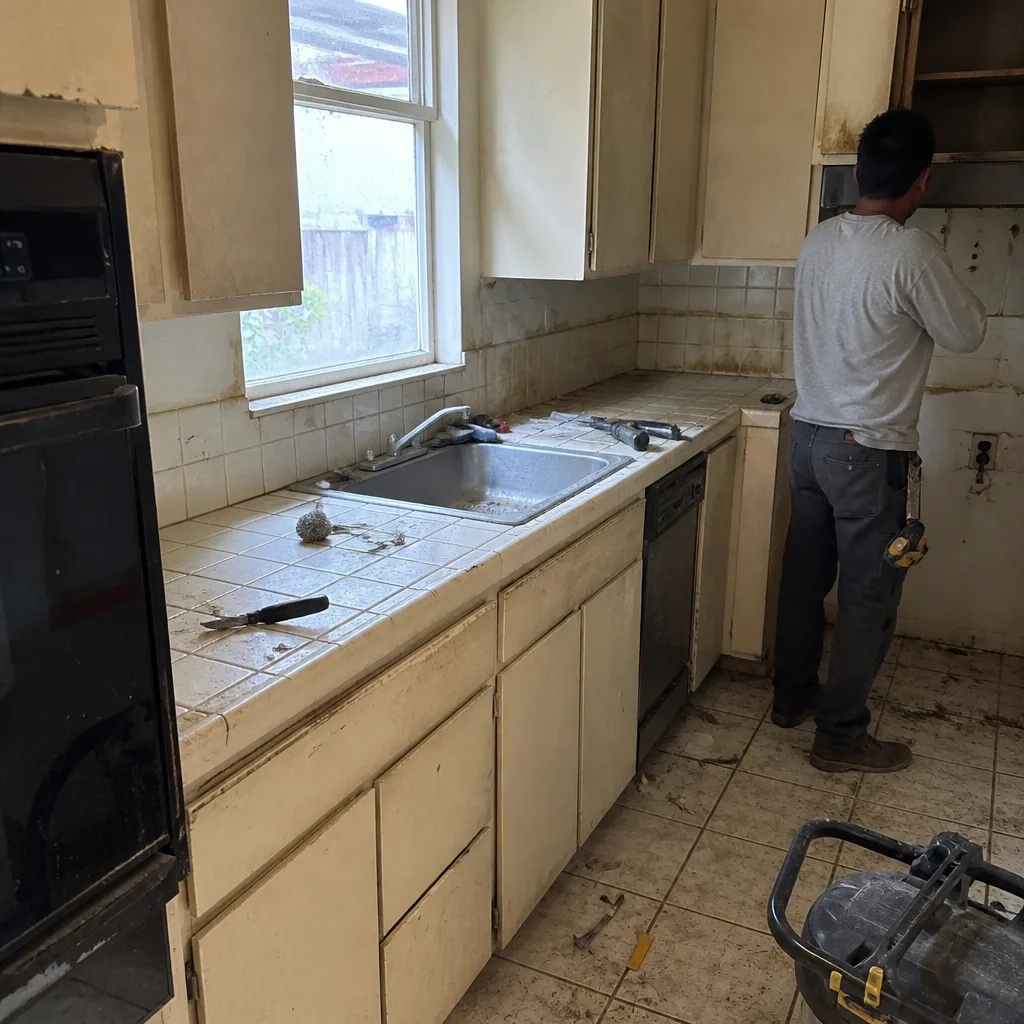
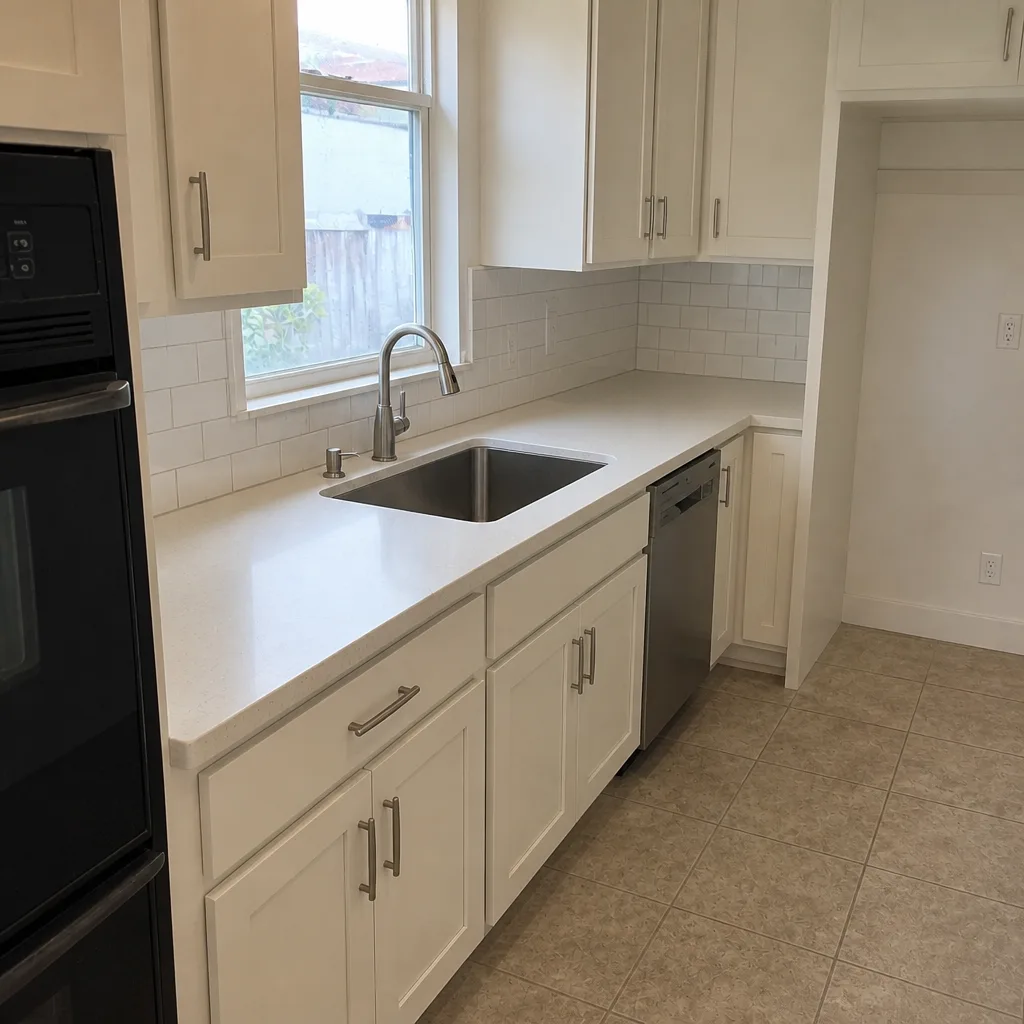
- Kitchen remodel. Permits are required for any electrical, plumbing, or mechanical changes, and often for cabinet relocations. A like-for-like cabinet and countertop swap with no utility moves is often permit-free. Full layouts generally need a permit and multiple inspections.
- Bathroom remodel. Same rule: moving the drain or supply lines triggers a plumbing permit. A tile and fixture refresh without relocating anything usually does not.
- Roofing. A reroof in Santa Clara requires a permit and a final inspection for the sheathing and flashing. Same-size replacement of an existing roof slope is straightforward; adding skylights or changing venting complicates it.
- Driveway and pavers. A new driveway or a full paver installation requires a permit when it changes the impervious surface area or the setback from the street. Repair in place typically doesn’t.
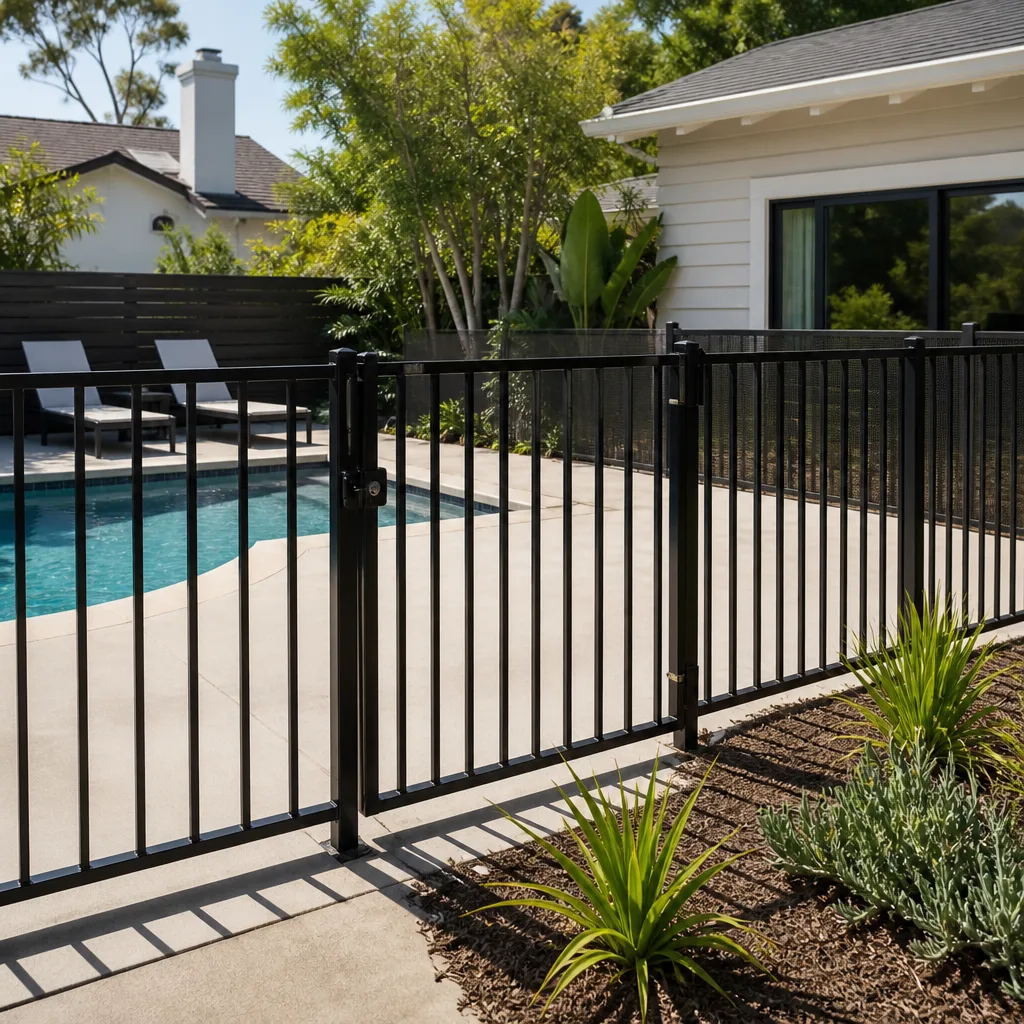
- Fence installation. Fences generally require a permit if they exceed the local height limit (usually six feet for solid fencing in rear yards, less in front), and the property line and utility locates matter before the first post goes in.
- Windows and doors. A same-size replacement usually does not require a permit. Enlarging an opening, changing the egress path, or replacing a window with a door does.
- Home additions and ADUs. Full plan check, structural engineering, energy compliance, and multiple inspections. This is architect-and-general-contractor territory almost without exception.
If you’re mapping out a multi-project upgrade – a new driveway & pavers job coordinated with a repaint and a new fence installation, for example – the permit sequencing itself becomes a management task. That’s where a single contractor covering the whole scope saves more time than the material cost difference between DIY and pro.
How DIY Flatwork, Roofing, and Decks Fail in Santa Clara
Santa Clara’s specific failure modes are not the same as those in a snowy climate or a coastal one. Our winters are mild, we sit in a bay-influenced microclimate with heavy morning dew and clay-heavy soils in many neighborhoods, and the ground moves. What follows from that combination is fairly predictable, and expensive to correct after the fact.
Why DIY paver driveways and flatwork fail
Clay soil expands when wet and shrinks when dry. An amateur paver installation often skips proper base compaction, uses too little aggregate base, or grades the surface flat instead of away from the garage. Within a season or two, the symptoms show up: pavers rock underfoot, joints open, water pools against the foundation slab, and the driveway starts to settle unevenly. The correction typically requires pulling all the pavers, regrading, redoing the base, and resetting – effectively a full redo. Manufacturer guidance from companies like Belgard and Unilock is surprisingly precise about base depth and compaction, and skipping it is where most amateur installs fail.
Why DIY roofing fails
The failure point on a DIY roof is almost never the shingles. It’s the flashing, the underlayment, and the details around penetrations and valleys. GAF and CertainTeed publish detailed installation specs for a reason – roof warranty coverage depends on installation matching them, and an amateur install can void the manufacturer’s warranty on the material itself. If you plan to reroof in Santa Clara, the work is legal for you to self-perform, but the warranty math alone usually kills the idea.
Why DIY decks fail
Deck failures show up at the ledger board against the house and the post footings. In seismic zones, the connection between the deck and the house is the point that matters – the hardware, the hold-downs, the lateral ties. A homeowner-built deck that skips proper ledger flashing rots the rim joist behind it, which is structural rot that shows up years after the deck looks fine.
How DIY Work Affects Your California Homeowner’s Insurance
Homeowner’s insurance carriers in California generally don’t ask who performed the work when you file a claim. What they do care about is whether the work was permitted and inspected. An unpermitted structural change or an unpermitted electrical addition is exactly the kind of finding that can lead to a claim denial or a coverage dispute, and it’s the single biggest misunderstanding most homeowners have about DIY and insurance.
Here’s what carriers actually look at:
- Permitted work in your name: generally fine. The permit trail is the paper trail.
- Unpermitted structural or electrical work: a real coverage risk. If the source of a fire or water loss traces back to unpermitted work, the adjuster will note it.
- Water damage from bad flashing or bad flatwork: covered under most policies, but the deductible and premium impact isn’t. Repeated water claims are a bigger problem than the repair cost.
- Work that changes the home’s replacement cost: an addition or ADU increases rebuild cost, and your policy limit needs updating whether you built it yourself or hired it out. That conversation happens with your agent, not with any contractor.
One point worth stating clearly: hiring a licensed, insured contractor is not a substitute for reading your own policy, and it doesn’t eliminate your need to keep documentation. But it does mean there’s a licensed party whose work is on record, and that matters if a claim is ever disputed.
The Honest Middle Ground: What You Can Prep and Finish
Skilled homeowners can reduce total project cost meaningfully without voiding warranties or triggering inspection problems. The key is knowing which phases are safely yours and which are contractually or structurally someone else’s.
Safe DIY contribution:
- Demolition. Pulling out old cabinets, tearing off old tile, removing a fence, or clearing the driveway area is honest labor that saves real money. Have the licensed contractor define the demo scope first so nothing structural gets removed by accident.
- Site prep and access. Clearing the driveway for a paver crew, moving furniture, providing parking and water access – small items, but they add up.
- Finish work. Paint, trim, and final caulking are almost always yours if you want them, and most contractors will happily document the scope split up front.
- Material selection. This is where the multi-brand angle pays off. Working with a contractor who handles cabinet lines across tiers like KraftMaid and Wellborn, or premium quartz from Cambria, Caesarstone, and Silestone, lets you choose the exact finish without switching trades mid-project. You also get warranty coverage intact.
- Coordination help. Being present for inspections, keeping the job file, and tracking receipts is real project management, and it belongs to you either way.
Unsafe DIY contribution, even for a capable homeowner:
- Gas line work and any connection to the gas meter.
- Electrical work inside the main service panel.
- Structural framing and any change to a load-bearing wall.
- Roofing installation you plan to rely on a manufacturer warranty for.
In our experience, homeowners who draw a clear line between “mine” and “the contractor’s” finish their projects faster, and they keep the warranty coverage that made the material worth upgrading to.
How to Calculate the Real Cost of DIY
The DIY math most homeowners run is material cost versus contractor quote. That comparison undercounts the real cost by a wide margin. A useful calculation includes the following line items, all of which are real:
- Materials. Often within 10 to 20 percent of contractor cost for retail purchases. Contractors who buy volume get pricing an individual homeowner can’t, though you’ll find similar-quality goods at retail.
- Tool rental. Plate compactors, tile saws, scaffolding, and demo hammers rent by the day and add up fast across a multi-weekend project. For a paver driveway, a plate compactor alone is on the invoice two or three times.
- Material waste. Real waste on a first-time tile, paver, or roofing job runs 10 to 25 percent. That’s a second trip to the supplier and a portion of material never making it onto the project.
- Permit fees. Same for everyone, DIY or not. On a full kitchen or addition, permit fees are one of the less painful line items, though the plan check timeline hurts more than the fee does.
- Your time. Whether or not you value it, a two-weekend tile job that becomes a six-weekend job has a real cost in life disruption. Many homeowners underestimate this by a factor of two.
- Correction cost. The one that undoes the whole calculation. If the work fails inspection or shows settling within a year, the correction cost almost always exceeds the amount you saved by doing it yourself.
When we put a startup estimate together for a Santa Clara homeowner, we make the same comparison explicit – we walk through the correction-risk line items for the specific project and let the homeowner decide whether the numbers still look compelling. Sometimes they do. Often they don’t.
What DIY Work Means at Resale in Santa Clara
California’s transfer disclosure statement requires a seller to disclose known material facts about the property, and unpermitted work is one of them. That doesn’t just mean the buyer gets to walk; it means the buyer’s inspector will look for exactly the categories that most often go unpermitted – additions, electrical, plumbing, deck attachments, and any structural change. Santa Clara buyers and their agents are generally sophisticated about this, and a permit search by the buyer’s side is common.
What that means in practice:
- Permitted work, in your name: documented, closeable at resale, and generally accepted.
- Unpermitted work with no paper trail: potential price reduction, potential escrow delay, potential buyer walk-away. The cost of discovery typically exceeds the cost of the original work.
- Work done by a licensed contractor with permits: usually neutral to slightly positive at resale, because a buyer sees the paper trail and the inspection sign-off.
Consistency matters too. A homeowner who pulled a permit for their roof but not the electrical panel is a red flag for inspectors, because the inconsistency suggests they knew which items would fail. Santa Clara County’s permit records are easy to search, and any buyer’s agent worth their commission will run them.
A Decision Framework You Can Apply in Ten Minutes
Rather than working through every project from scratch, use this quick screen. Answer honestly, and the framework usually picks the path for you.
- Does the project require a permit? If yes, and you’re not prepared to pull one in your own name and be present for every inspection, hire a licensed contractor. Non-permitted work is a liability both at claim time and at resale.
- Is it structural, electrical, gas, roofing, or envelope work? If yes, hire a professional. The correction cost on a bad install in any of those categories runs higher than the amount saved by doing it yourself.
- Does the project have a manufacturer warranty you need to preserve? If yes – roofing under GAF or CertainTeed, waterproofing under Schluter, high-end fixtures under Grohe – follow their installation requirements or your warranty is void. Hiring a pro who installs to spec preserves the warranty.
- Are you prepared for the correction cost if the work fails? If you can’t budget for a full redo, hire the pro. It’s the single best answer to the DIY versus pro question for any high-consequence project.
- Is the cosmetic scope separable from the structural scope? If yes, split the work: hire for the structural phase and handle demo, paint, and finish yourself.
For multi-project upgrades – where a roof, a driveway, a fence, and a bathroom all touch the same year – the coordination cost alone usually pushes the decision toward a single contractor. That’s a big part of why we built Construction Santa Clara to cover every category under one accountable contractor. From the driveway to the kitchen, coordination lives in one place instead of five.
Common Mistakes to Avoid
- Starting flatwork without checking the base compaction spec. Amateur paver driveways that skip proper aggregate base and compaction settle within a season, and the fix is a full redo. Confirm the base spec before the first paver comes out of the truck.
- Reroofing over the old shingle layer. Cheaper and faster, and it usually voids the manufacturer’s warranty on the new material. In Santa Clara’s climate, the tear-off is the point – the decking and flashing are where leaks start.
- Doing structural wall removal without engineering. The wall may look non-load-bearing and not be. Structural changes require an engineered plan and a permit; this is the line no DIY project crosses safely.
- Assuming insurance “covers it either way.” Unpermitted electrical or structural work is exactly the type of item that complicates a claim. Permits and inspections are the paper trail the adjuster needs.
- Skipping utility locates before any fence or driveway work. A cut gas or electrical line is an emergency call, a fine, and a schedule disaster rolled into one. Call 811 before excavation, no exceptions.
- Buying material before the contractor’s spec is set. Material picked under the wrong installation spec – adhesive, underlayment, base aggregate – is material that fails inspection. Confirm the spec and follow it.
- Forgetting the resale conversation. Most DIY projects are documented at resale whether you disclose them or not, because inspectors and buyer’s agents run permit searches. If the work needs a permit, pull one.
See the difference
 Before
 After
 Before
 After
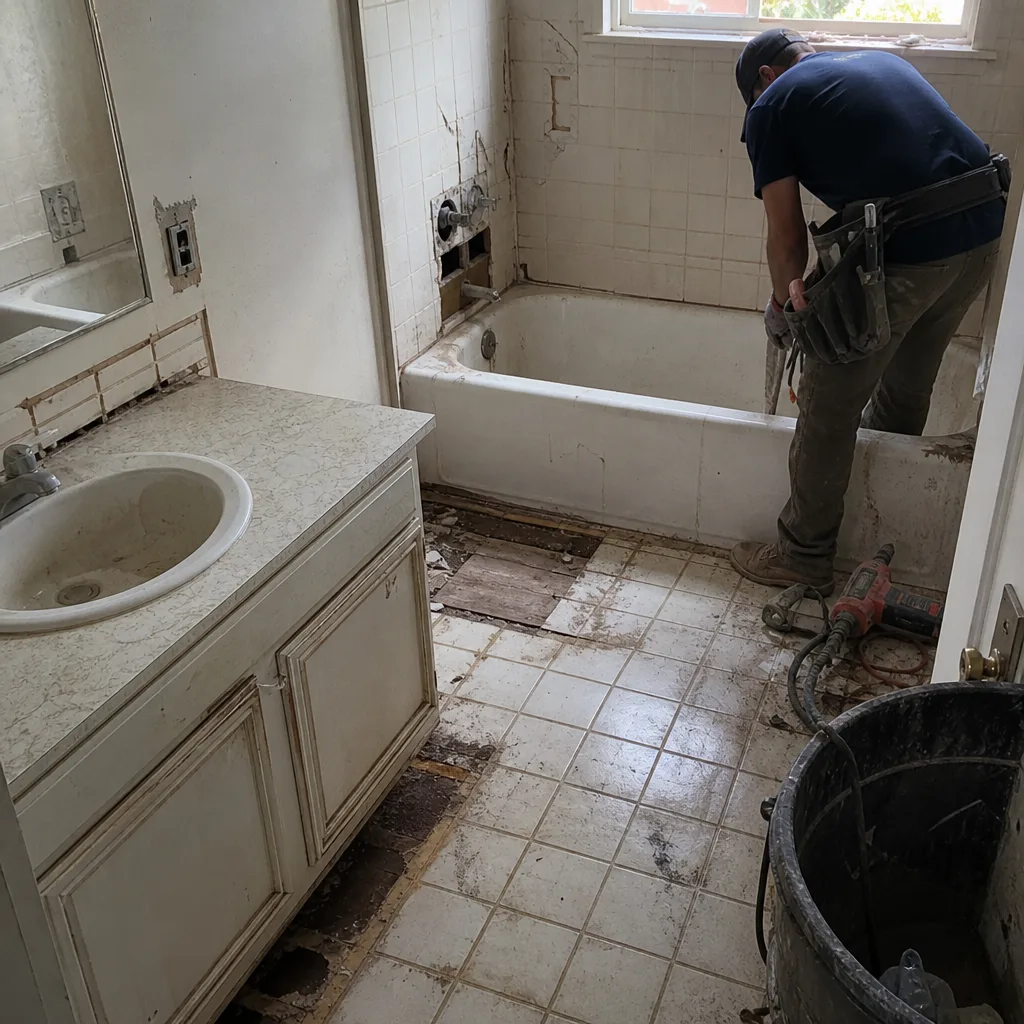 Before
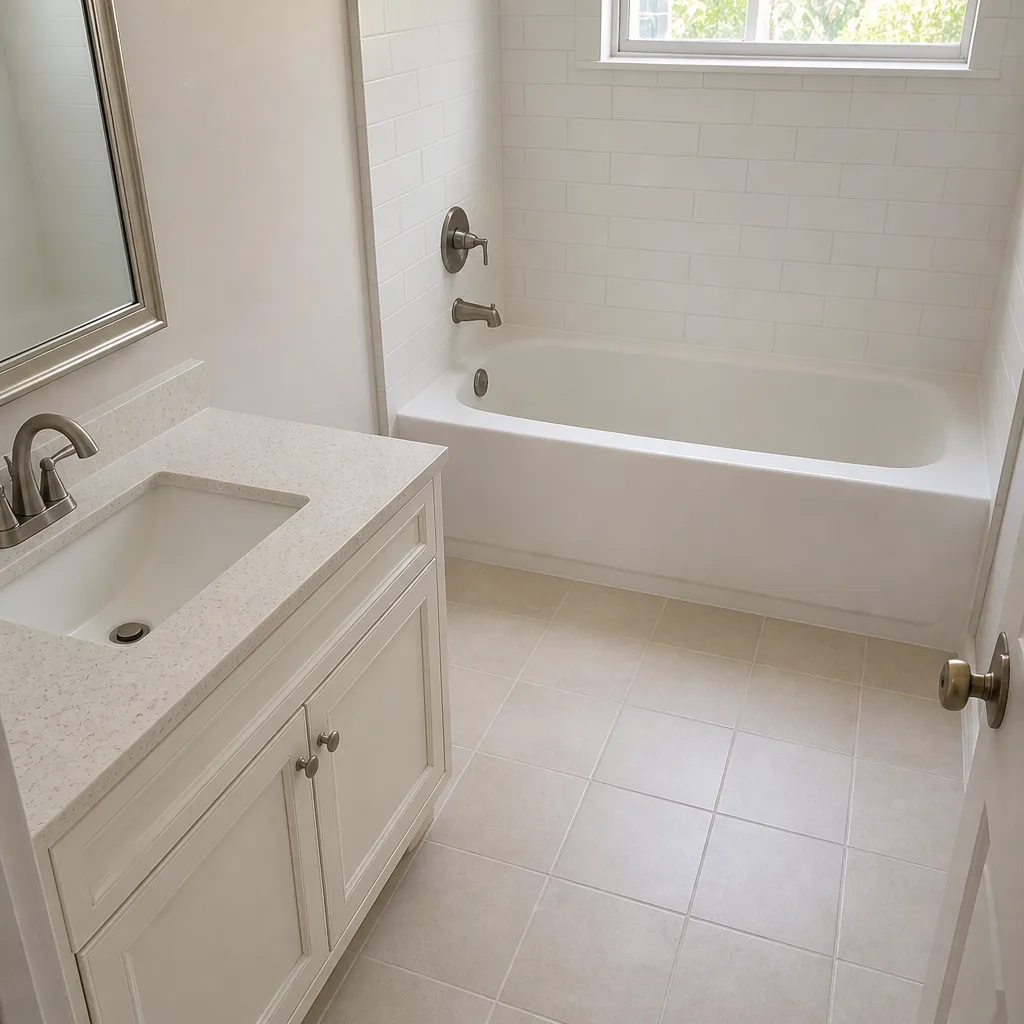 After
When to Call a Professional
Call a professional when the project touches structure, the electrical service panel, gas lines, the roof, or the waterproofing envelope. Call when the work requires a permit and you’re not prepared to be on-site for every inspection. Call when a manufacturer warranty is in play and you need the install to match spec. Call when the project spans multiple categories at once, because coordinating several trades well is more work than most homeowners expect. And call when the correction cost of a bad install would exceed your reserve for short-notice repairs. The best time to call is before the plan is set, not after the material is on-site.
Construction Santa Clara offers Construction Santa Clara services with free estimates, written line-item quotes, and permits pulled and inspections passed. Our technicians have up to 13 years of experience, and we work across seven categories: driveway and pavers, fencing, home additions and ADU, bathroom remodeling, windows and doors, roofing, and kitchen remodeling. Whether you’re evaluating a home additions & ADU build or just want a second opinion on whether the deck plan is actually DIY-safe, the estimate is free. Call (844) 435-8936. We answer 24/7. Fast dispatch from 7am to 7pm, Sunday through Friday.
Frequently Asked Questions
Yes. California’s owner-builder rule lets you pull a permit in your own name and perform construction work on a home you own and occupy. The limitations are that the property must be your residence and the work must be permitted and inspected like any other project. You cannot perform unpermitted work without accepting the disclosure, resale, and insurance consequences that follow it. For an exact read on your specific project, contacting the Santa Clara building department is the fastest answer, and our free estimates can help you scope the work either way.
A Santa Clara kitchen remodel typically runs a range of figures depending on scope, materials, and whether layout changes are involved. A cosmetic refresh (cabinet refacing, new countertops, new fixtures) lands at the low end of the range, while a full layout change with new cabinetry, plumbing relocation, and premium quartz surfaces from brands like Cambria, Caesarstone, or Silestone pushes toward the upper end. The written estimate sets the final price and no change orders are how we work. Call (844) 435-8936 for a free estimate on your specific kitchen – the range narrows considerably once we’ve seen the space.
No, not on a fixed-price contract with a written line-item quote. Our quotes are written line-item, and the price the quote sets is the price you pay, provided the scope doesn’t change. What causes price changes is a scope change you request mid-project, or a structural discovery hidden behind drywall that no inspection could see – and both are discussed with you before any work continues. For a written line-item quote on your Santa Clara project, call (844) 435-8936.
Yes. We pull the permits for every permitted project – roofing, fence, driveway, bathroom, kitchen, windows, additions, and ADU work – and we handle the inspections through to final sign-off. That includes the plan check timeline. If your project involves an ADU or a home addition, the permit process is complex enough that a licensed contractor handling it is the realistic path, and prefab pathways through partners like Abodu, Dvele, Mighty Buildings, Boxabl, or Plant Prefab also come with their own permit steps. Call (844) 435-8936 and we’ll walk you through the permit plan for your project.
Timeline varies widely by category. A bathroom remodel typically runs several weeks of active construction; a kitchen remodel runs longer because of cabinetry lead times and inspection sequencing. A paver driveway or fence install is usually days rather than weeks of active work, but the permit review adds calendar time before the first truck rolls. A home addition or ADU runs months, with permit review and construction running in sequence. The written estimate includes a projected timeline for your specific scope, and if you want an accurate read on yours, call (844) 435-8936.
Not directly – carriers generally don’t ask who performed the work. What matters is whether the work was permitted and inspected, and whether any unpermitted structural or electrical work is present if a claim arises. Unpermitted work is a coverage risk, and it’s also a resale disclosure issue that California requires. Documentation is your protection, and the permitted path is the cleanest documentation. For help deciding which projects are safe to self-perform and which need a permit-and-inspection trail, call (844) 435-8936 – free estimates, no obligation.
The Bottom Line
In Santa Clara, the DIY-versus-professional question is really a question about exposure. Permits, resale disclosure, insurance coverage, and correction cost all lean toward the professional path for structural, roofing, electrical, gas, and any work you plan to warranty through a manufacturer. Cosmetic, demo, prep, and finish work belong to you if you want them. The honest calculation includes tool rental, material waste, your real time, and the correction cost if the work fails – and when all four are on the math, most homeowners draw a clear line. Get the estimate first. It’s free, and it changes the conversation.
Call (844) 435-8936 to schedule your free estimate. We answer 24/7. Fast dispatch from 7am to 7pm, Sunday through Friday.
Written by the team at Construction Santa Clara.