
Last updated November 18, 2026






Free written scope consultation - allowances, timeline, and change-order rules on paper before a single trade is scheduled
Construction Warning Signs: A Santa Clara Homeowner’s Reference Guide
A crack in your driveway or a bubbled section of exterior paint is rarely the problem. It’s the evidence. The homeowner who patches the visible damage without reading what caused it will be back at the same spot in 18 months, usually spending more the second time. Most of the failures we’re called about in Santa Clara started somewhere else, months or years earlier: a drainage line that was never pitched right, a paver base that was undercompacted, a fence post set in soil that swells and shrinks with the seasons. This guide teaches you to read the evidence before you reach for the phone.
Quick Answer
Construction warning signs in a Santa Clara home fall into three groups: cracks and movement caused by clay-heavy soil expanding and contracting through wet and dry cycles, water damage caused by failed drainage or flashing, and workmanship failures that show up at joints, edges, and transitions between materials. Stair-step cracks in masonry and doors that suddenly stick point to settlement; hairline cracks in flatwork usually point to thermal movement. Anything involving structural framing, roofing penetrations, or electrical work should go to a licensed professional rather than a homeowner repair.
Styles & brands we work with
- Kitchen remodeling
- Bathroom remodeling
- Home additions & ADU
- Roofing
- Windows & doors
- Driveway & pavers
- Fence
Table of Contents
- How to Read Cracks: Settlement, Thermal Movement, or Failed Installation
- Why Santa Clara Soil Produces Its Own Failure Signatures
- Cosmetic vs. Structural: Where the Line Sits
- Roofing Warning Signs and the Cascade Failures They Trigger
- Driveway and Flatwork Warning Signs
- Fence and Deck Warning Signs
- Warning Signs That Void Manufacturer Warranties
- How to Document What You Find
How to Read Cracks: Settlement, Thermal Movement, or Failed Installation
Not every crack means the same thing, and treating them as if they do is how homeowners waste money. Before you call anyone, note three things: where the crack sits, what direction it runs, and whether its width has changed since you last looked. Those three observations separate a cosmetic issue from a structural one more reliably than the size of the crack alone.
Here’s the framework we walk homeowners through:
- Stair-step cracks in brick, block, or stucco. These zigzag along the mortar joints. They usually indicate movement or settlement in the foundation beneath, and they deserve a professional look.
- Vertical cracks in the middle of a slab or wall. Often thermal expansion and contraction, especially on south- and west-facing surfaces that take the most afternoon sun. A hairline vertical crack that hasn’t widened in a year is typically a maintenance item, not a structural alarm.
- Cracks that follow a straight line at a material joint. These point to a failed installation: a control joint cut in the wrong place, a seam that wasn’t properly bonded, or flashing that was never lapped correctly. The crack is telling you where the two materials stopped working together.
- Diagonal cracks radiating from a corner of a door or window opening. These are stress concentrations. Sometimes they’re benign, sometimes they signal that the header above the opening is deflecting. Only an inspection settles which.
- Cracks that are wider at one end than the other. A crack that tapers tells you movement is happening in a specific direction. That’s a settlement signature, not a shrinkage signature.
One more useful test: look for cracks that appear in more than one place along the same wall line. Isolated cracks are usually local. A pattern of cracks tracking across a wall, a slab, and the adjacent walkway is a system telling you something larger is moving. When we assess driveway & pavers work in Santa Clara, the first thing we check is whether the cracking is confined to the surface course or whether the base beneath it has shifted, because the repair is completely different depending on the answer.
Why Santa Clara Soil Produces Its Own Failure Signatures
Santa Clara sits on ground with a significant clay component in many neighborhoods, and clay behaves differently from sandy or loam soils through the year. Clay swells when it takes on water and shrinks as it dries. That cycle repeats every wet season and every dry season, and each cycle exerts pressure on anything sitting on or in the ground: slabs, footings, fence posts, paver bases.
What that looks like in practice:
- Seasonal door and window sticking. A door that binds in late summer and frees up in winter is often a symptom of clay shrinkage under the footing, not a problem with the door itself.
- Cupping or heaving in flatwork. Concrete that rises at the edges or rocks when you walk on it is usually sitting on soil that has moved. The slab isn’t defective; the ground under it is.
- Fence posts that lean after a wet winter. Posts set in clay can be pushed out of plumb as the soil expands. A single leaning post can be reset. A run of posts leaning the same way tells you the soil profile along that line is the issue.
- Paver settlement in low spots. Pavers installed over an undercompacted base will settle unevenly, and in clay the settlement often concentrates where water pools.
The practical lesson is that repairing the visible surface without addressing how water reaches the soil under it tends to be temporary. Where drainage is corrected and the base is rebuilt properly, the same repair holds. Where it isn’t, the movement returns the following season.
Because clay soils vary street to street across Santa Clara, the only reliable read is on-site. A neighborhood near a creek corridor can behave quite differently from a lot higher up the slope, even a few blocks away.
Cosmetic vs. Structural: Where the Line Sits
Most homeowners can safely make the first call themselves. Here’s a simple way to sort what you’re seeing, and where to stop.
Likely cosmetic:
- Hairline cracks (narrow enough that a dime won’t fit) in a driveway, walkway, or patio, with no vertical displacement between the two sides.
- Paint peeling or bubbling on a single exterior wall, with no soft wood or moisture behind it.
- Grout lines in tile that have cracked but the tile itself is intact and the substrate feels solid.
Possibly structural – stop and call:
- Cracks with visible displacement, where one side sits higher than the other.
- Stair-step cracks in masonry walls.
- Doors or windows that have recently stopped closing properly, especially more than one in the same area of the house.
- Sloping floors, or a noticeable dip you can feel underfoot.
- Any crack wider than a quarter inch, or one that has widened since you last checked.
The boundary matters because structural assessment involves load paths, footings, and framing, and none of that is visible from the surface. We’d rather tell a homeowner their crack is cosmetic than have them spend money on a repair that wasn’t needed, but the only responsible way to make that call is in person. If you find yourself unsure after the checks above, that’s the moment to stop self-diagnosing.
Roofing Warning Signs and the Cascade Failures They Trigger
A roof rarely fails all at once. It fails at the weakest point first, and that failure travels. The most expensive roofing problems we see in Santa Clara aren’t the ones that start on the roof – they’re the ones that started at a flashing detail or a penetration and weren’t caught until the damage reached the ceiling inside.
What to look for from the ground and from inside:
- Granule loss on shingles. Check your gutters after a rain. Shingles shedding granules heavily are near the end of their service life, and the underlying mat is exposed.
- Curling or lifting shingle edges. This is the beginning of wind and water intrusion, and it’s often concentrated on the slope that takes the prevailing weather.
- Staining on ceiling or wall drywall. A brown ring or a soft spot inside the house almost never corresponds to the spot directly above it. Water travels along framing before it finds a place to show.
- Failed or lifted flashing at chimneys, skylights, and wall transitions. Flashing is the most common leak point on any roof, and it’s also the detail most often skipped or rushed.
- Sagging roof deck or visible dips along the ridge line. This points to a structural issue under the roofing, not a roofing material issue.
The cascade risk is real. A small flashing leak wets the sheathing beneath it, and wet sheathing loses strength and eventually rots. By the time it shows inside, the repair has typically expanded from a flashing fix to sheathing replacement. Our approach on Construction Santa Clara roofing work is to inspect the deck and the penetrations, not just the shingle field, because that’s where the real cost lives.
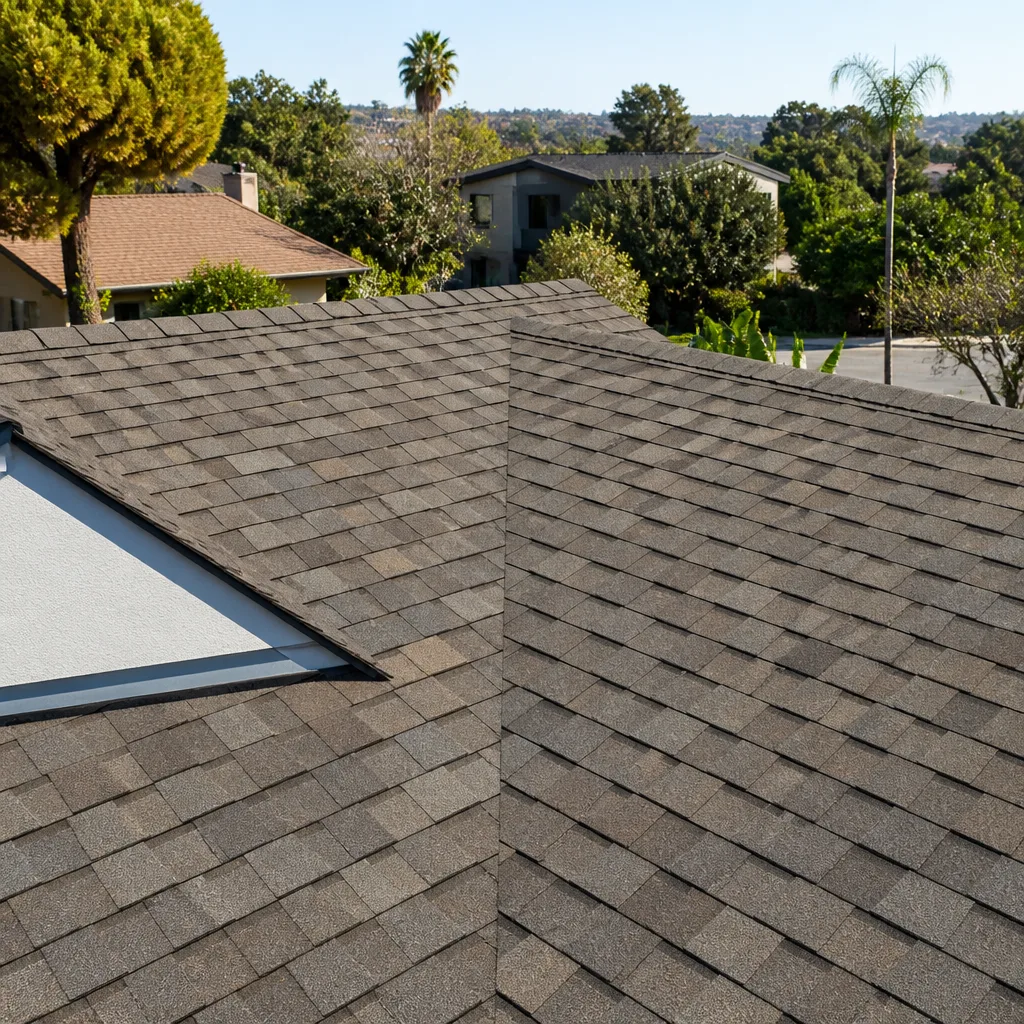
If you’re looking at a roof nearing the end of its life, the choice of material matters. We work with shingles from GAF, CertainTeed, and Owens Corning, which gives homeowners options across the price and performance range without switching contractors.
Driveway and Flatwork Warning Signs
Driveway failures usually announce themselves months before the surface breaks. Reading them early lets you repair a section instead of replacing the whole run, which is the difference between a contained job and a large one.
Early warning signs:
- Water ponding on the surface after rain. A properly graded driveway sheds water. Standing water means the slope has fallen away from the house or the subgrade has settled.
- Hairline cracks along the control joints. Small, even, and stable, these are working as designed. Cracks that wander away from the joints and grow are not.
- Rocks or loose material at the edges. This indicates the base is eroding from underneath, which typically leads to slab settlement.
- Separation between the driveway and the garage slab or the apron. Movement at a transition point usually means one side has settled and the other hasn’t.
- On paver surfaces, sand washing out of the joints. Persistent loss of joint sand tells you water is running through the surface rather than off it.
The base is the part you can’t see and the part that determines how long the driveway lasts. Any paver installation on a clay-heavy lot is only as good as the excavation and compaction under it. We use engineered paver lines from Belgard, Unilock, Techo-Bloc, and Cambridge because those products carry documented load and weather ratings that let us match the material to the traffic and the soil, rather than guessing.
Fence and Deck Warning Signs
Fencing and decks fail from the bottom up. The surfaces people see stay presentable long after the posts and framing have started to go, which is why an annual walk-around at ground level catches more problems than looking over the top of the fence.
Fence warning signs:
- Posts that are loose in the ground or out of plumb. If you can move a post by hand, the footing has failed.
- Rot at the base of posts, even on treated lumber. Ground contact is where moisture sits longest.
- Rails pulling away from posts or fasteners backing out. This is usually movement in the posts, not the rails.
- Panels that sag between posts, indicating the horizontal members have lost stiffness.
Deck warning signs:
- Soft spots in the decking underfoot, which indicate rot in the board or the joist beneath.
- Ledger board separation from the house. This is the single most serious deck warning sign, because the ledger carries much of the deck’s load.
- Railing that moves when you lean on it. Railings are a guard, and a loose one is a fall hazard.
- Rusted or corroded fasteners. Fastener failure often precedes framing failure.
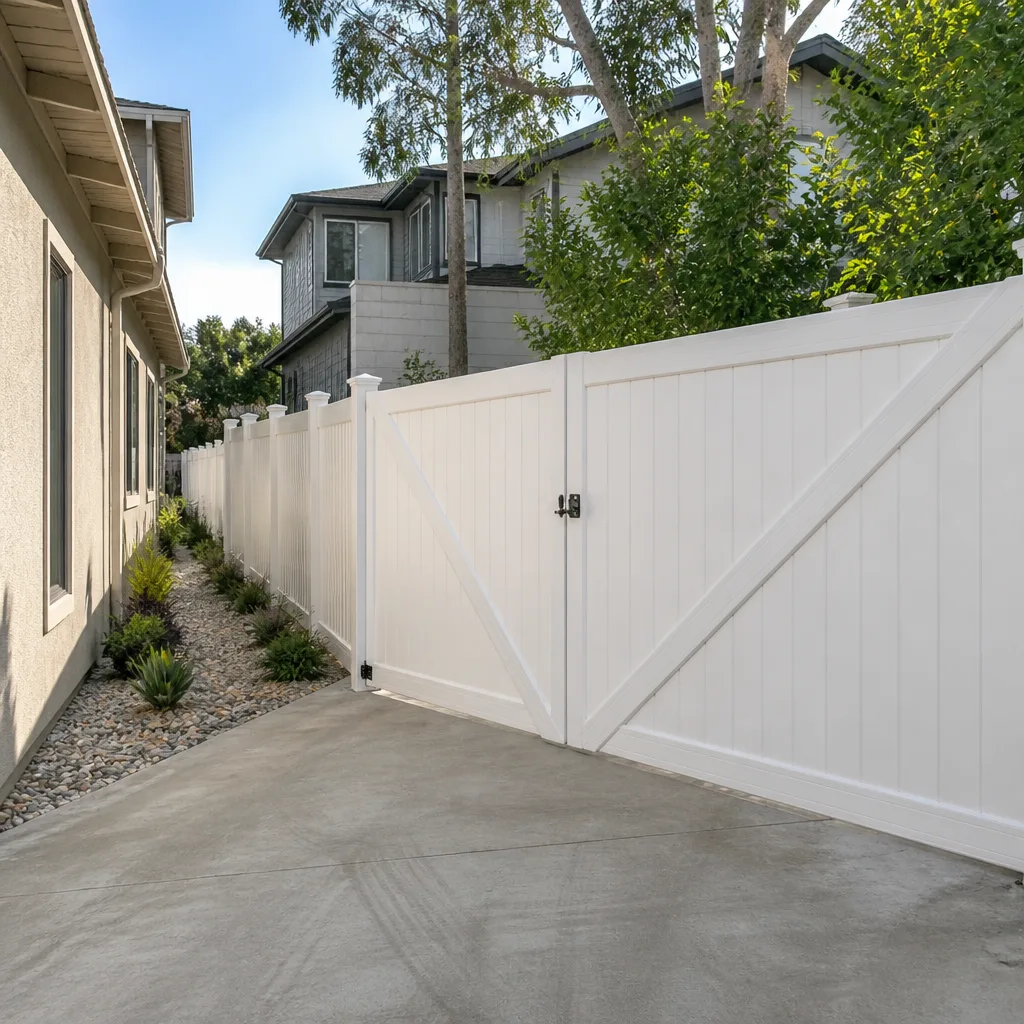
Fence work in Santa Clara ages faster than homeowners expect because of the dry season’s effect on wood and the wet season’s effect on soil contact. We install fencing backed by dedicated manufacturers including Master Halco, Ameristar, Jerith, Bufftech, Barrette, and ActiveYards, and our fence installation work starts with the footing and the soil profile, not the panel style. For decks, any ledger or framing concern should go to a professional before the deck is used again.
Warning Signs That Void Manufacturer Warranties
Manufacturers build maintenance conditions into their warranties, and failing to meet them can leave you without coverage when a product fails. The tricky part is that most of these conditions are only triggered when a problem is left unaddressed, so the same warning sign that costs you the repair can also cost you the warranty that would have paid for it.
Common conditions to watch:
- Unaddressed roof leaks. Most shingle warranties from GAF, CertainTeed, and Owens Corning require that leaks be repaired promptly. A leak allowed to saturate sheathing for a season can void coverage on the affected area.
- Improper ventilation in the attic. Roof warranties typically assume adequate ventilation. Blocked soffit vents or a failed ridge vent can cause premature shingle failure that won’t be covered.
- Alterations made by an unqualified party. A homeowner repair on a warranted product can void coverage for that section.
- Missing or improper drainage around flatwork and pavers. Paver manufacturers assume a properly drained base. Surface water that can’t escape will undermine both the install and any product claim.
- Window and door installation details. Impact-rated and specialty window lines from brands like PGT, CGI, and ECO Window Systems have specific installation requirements; a leak caused by a detail that was never followed typically isn’t covered.
Documentation matters as much as the maintenance itself. Record the date you noticed a problem, photograph it, and keep the record with your home files. If a product fails later, a dated record showing you reported and addressed the issue promptly is the difference between a warranty that pays and one that doesn’t.
How to Document What You Find
A simple record turns a vague worry into a decision. For every warning sign you spot, capture the same four things:
- Date observed. Not the date you called someone, the date you first saw it.
- Photograph with a scale. Place a coin or a tape measure next to the crack so the width is unambiguous in the photo.
- Location and orientation. North wall, garage apron, the third fence post from the corner. Be specific enough that a contractor can find it from your description.
- Change over time. Re-check the same spot after the wet season and after the dry season, and note whether the problem has grown.
That four-part record is also useful for a free estimate, because it tells the person doing the walk-through where the problem actually lives. It’s a small habit, and it’s the one that most separates a homeowner who spends less on repairs from one who doesn’t.
Common Mistakes to Avoid
- Repairing the surface without addressing the cause. Patching a crack in a driveway without checking the base or the drainage around it means the crack comes back the following season, often wider than before.
- Assuming all cracks mean the same thing. A hairline thermal crack and a stair-step settlement crack look similar in a photo and call for completely different responses.
- Ignoring a stuck door or window. A door that suddenly binds is one of the earliest signs of ground movement in a clay-soil neighborhood, and it’s cheap to diagnose early.
- Letting a small roof leak ride through the wet season. The leak itself is manageable; the soaked sheathing underneath it is what turns a small repair into a large one.
- Skipping the annual walk-around. Fifteen minutes along the base of the fence, the edges of the driveway, and the ceiling under the roof catches most of what goes wrong before it gets expensive.
- Choosing a contractor by material brand alone. The same shingle installed over a bad deck performs worse than a mid-range shingle installed correctly. The installation detail outranks the brand name every time.
- Not keeping a record of what you found and when. A dated photo is what supports a warranty claim later, and it’s the first thing a contractor asks for.
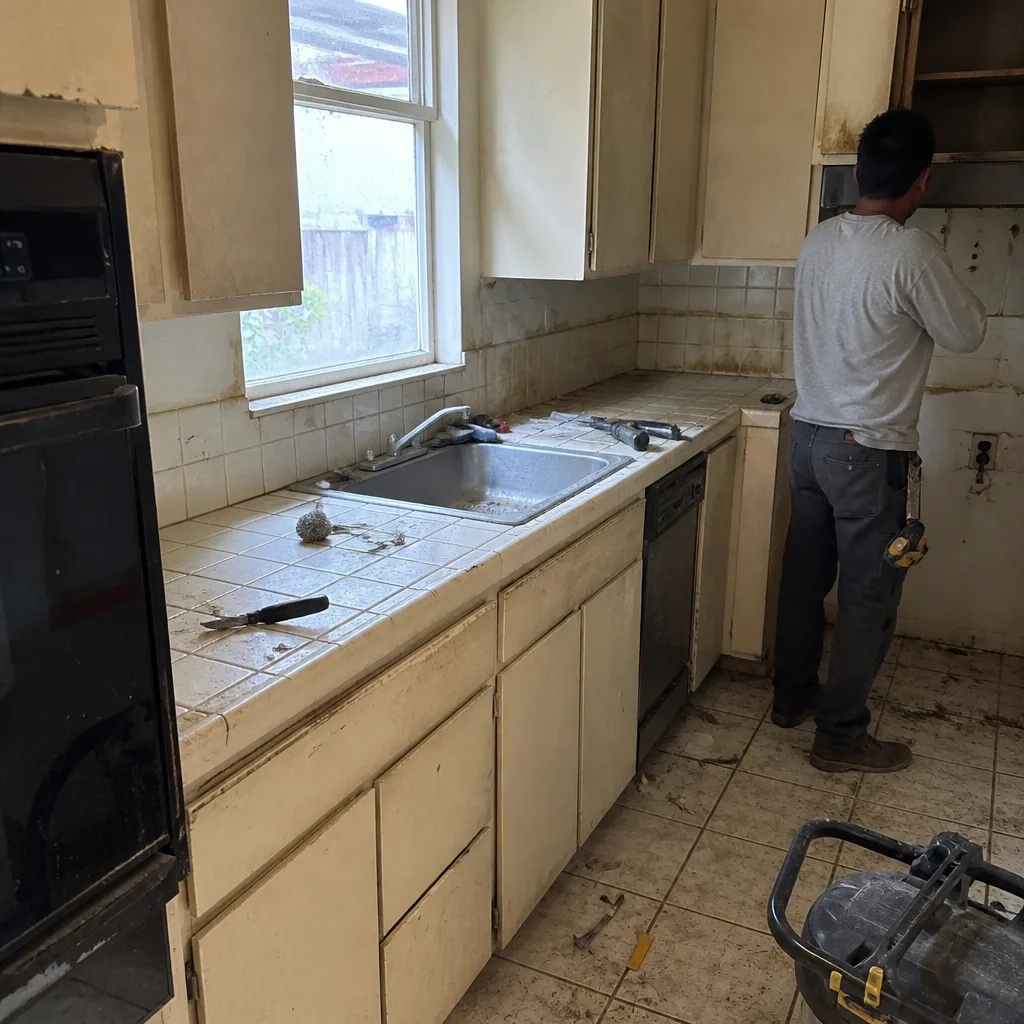
See the difference
 Before
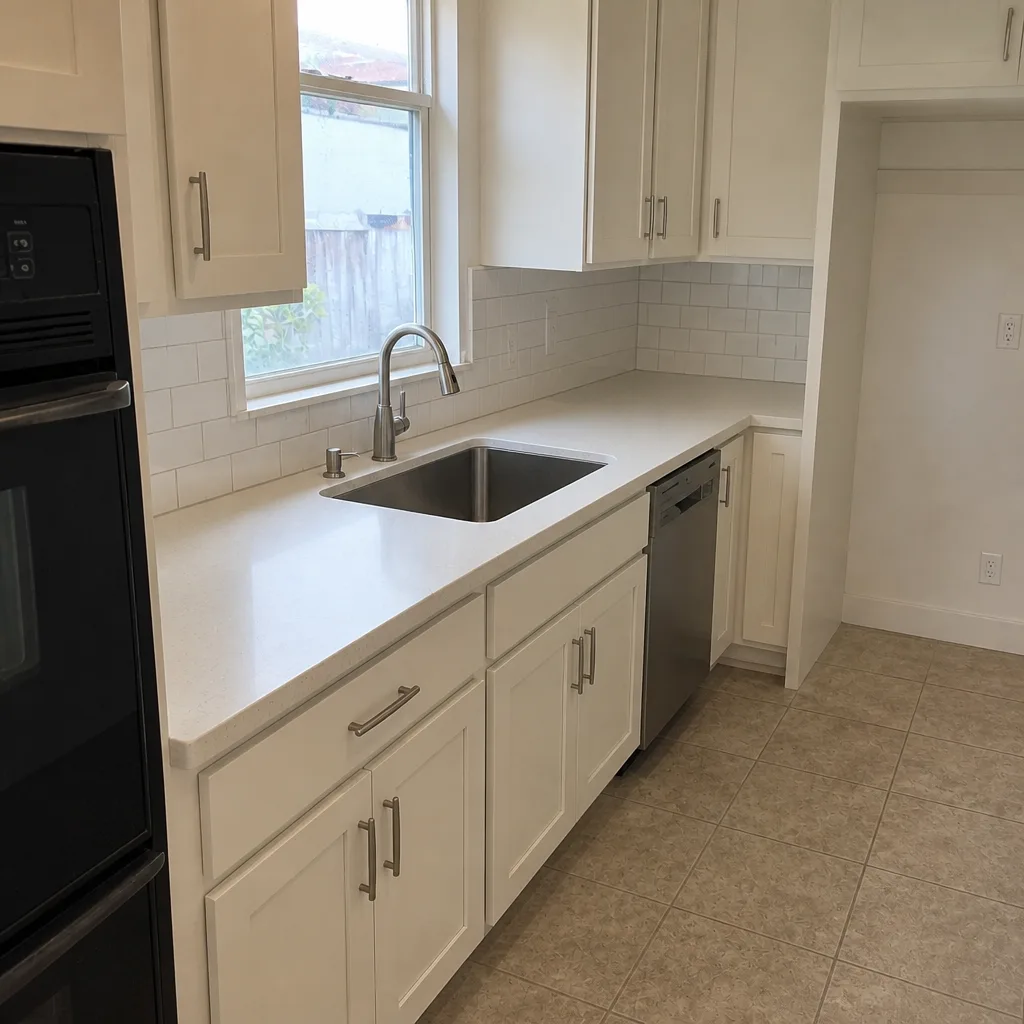
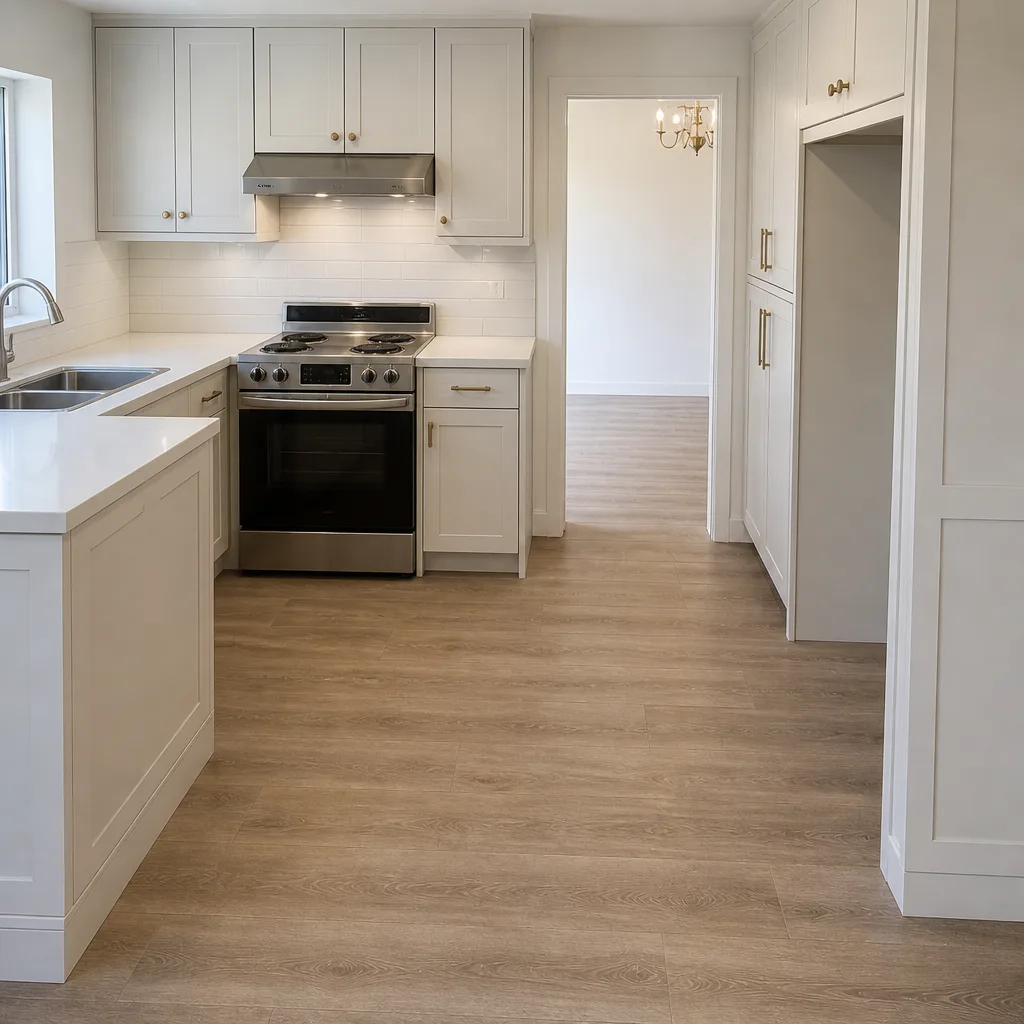 After
 Before
 After
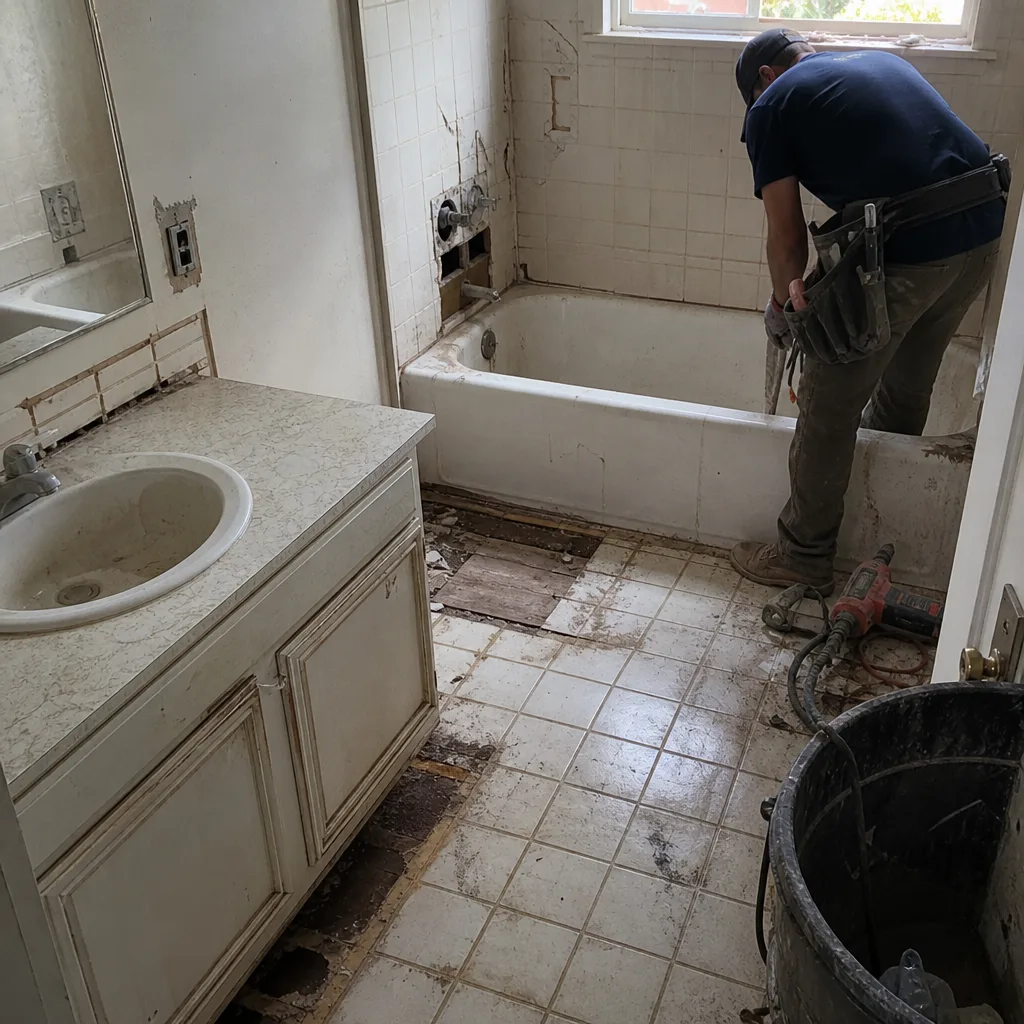 Before
 After
When to Call a Professional
Call a professional when the issue involves structural framing, roofing penetrations, electrical or plumbing behind walls, or any crack with visible displacement. Call when more than one sign appears in the same area, because a pattern is more informative than a single symptom. Call too when a warranty is at stake and you need a dated record of the condition before you touch anything.
If you’re planning a larger project – a kitchen or bathroom remodel, an addition, or a new ADU – our home additions & ADU team can review the warning signs you’ve found and tell you which of them need fixing before construction starts. Renovation problems deeper than the surface tend to surface once walls come out, so identifying them early is how projects stay on schedule. Our technicians have up to 13 years of experience reading these signs on Santa Clara homes. Construction Santa Clara offers free estimates in Santa Clara – call (844) 435-8936.
Frequently Asked Questions

Stair-step cracks that follow the mortar joints in brick, block, or stucco usually indicate foundation movement, not a wall material failure. They deserve a professional inspection, especially if more than one appears on the same wall line or if doors and windows nearby have started sticking. Call (844) 435-8936 to set up a free estimate on what’s causing them.
A thermal crack is typically a hairline vertical crack with no vertical displacement between the two sides, often on a sun-exposed surface. A settlement crack usually has visible displacement, often runs in a stair-step pattern, and tends to appear alongside other movement symptoms like sticking doors. When in doubt, treat it as a settlement issue until a professional says otherwise.
Soil composition varies street to street in Santa Clara, and clay-heavy lots move more through wet and dry cycles than lots with sandier or loamier soil. Drainage also differs from lot to lot, and pooled water accelerates the cycle. Two driveways built the same year can age very differently on adjacent lots. A free estimate will tell you which factor is at work on yours.
Yes, and sooner than most homeowners expect. A small leak wets the sheathing beneath it, and wet sheathing loses strength and can rot. The repair cost typically grows with the time the leak is left active, and a shingle warranty from GAF, CertainTeed, or Owens Corning can be affected by an unaddressed leak. Call (844) 435-8936 to have it looked at.
No. Our written estimate sets the price for the scope described, and if a deeper problem turns up once the work begins, we stop and discuss it with you rather than adding charges without approval. The written line-item estimate is what governs. Estimates are free – call (844) 435-8936.
Yes, we pull permits where local code requires them, and we coordinate inspections as part of the job. Home additions, structural repairs, and certain window and door replacements commonly require permits in Santa Clara; the building department for the city is the authority on any specific project. Call (844) 435-8936 and we’ll walk through what your project needs.
The Bottom Line
Most of the construction problems in a Santa Clara home start as something you can see if you know what to look for: a crack that wanders instead of following its joint, a door that stops closing properly, a fence post leaning out of plumb after a wet winter. Reading those early and addressing the cause rather than the surface is how homeowners avoid paying twice for the same repair. Our approach is to inspect the whole system – the ground, the drainage, the material transitions, and the installation details – because those determine how the surface in front of you behaves. Construction Santa Clara is a single-source contractor covering the home from the driveway to the roofline, with multi-brand access across every trade category so the material fits the job rather than the other way around. For a free estimate, call (844) 435-8936. We answer 24/7. Fast dispatch from 7am to 7pm, Sunday through Friday.
Written by the team at Construction Santa Clara.