Last updated November 18, 2026

Free written scope consultation - allowances, timeline, and change-order rules on paper before a single trade is scheduled
Construction Cost Breakdown: The Santa Clara Homeowner’s Reference for 2026
Most cost estimators will underprice a Santa Clara construction project. A national calculator that works fine in Fresno or Boise tends to land 20 to 35 percent below what the same job actually bids out for in Santa Clara, and the reason isn’t that local contractors are padding their margins. It’s that generic tools don’t model Bay Area labor rates, city permit fees, or the delivery premiums on materials trucked into the South Bay. This reference walks through what construction really costs in Santa Clara in 2026, category by category, and shows you where the money goes so you can read a bid with confidence.
Quick Answer
Construction costs in Santa Clara in 2026 typically run higher than national averages across every category, driven by Bay Area labor premiums and material repricing, with a driveway or paver job starting around the low thousands and a full kitchen or bathroom remodel running into five figures. The written line-item estimate is the only number that sets your actual price, and any honest bid should break out labor, materials, permits, and site work separately. Call (844) 435-8936 for a free estimate on your specific project.
Styles & brands we work with
- Kitchen remodeling
- Bathroom remodeling
- Home additions & ADU
- Roofing
- Windows & doors
- Driveway & pavers
- Fence
Table of Contents
- Why Santa Clara Construction Costs What It Does
- 2026 Cost Benchmarks by Category
- How to Read a Contractor Bid
- The Real Cost of Coordinating Multiple Contractors
- How 2025 – 2026 Tariffs Are Affecting Pricing
- Why Two Identical Jobs Can Differ by Thousands
- Single-Source Versus Multi-Trade: What Pays Off
- Common Mistakes to Avoid
Why Santa Clara Construction Costs What It Does
Santa Clara sits on ground that’s expensive to build on for reasons that have nothing to do with the weather. The city’s housing stock spans mid-century ranch homes, 1970s tract builds, and newer infill, and each vintage brings its own surprises once you open a wall. Add a labor market where skilled tradespeople command premium wages, and the baseline for any project shifts upward before a single nail is driven.
Three forces dominate the 2026 picture:
- Bay Area labor premiums. Crews that travel into Santa Clara from surrounding areas carry higher wages and longer commutes, both of which land in the bid.
- Material repricing. Tariffs on steel, lumber, and composite products have moved supplier pricing throughout 2025 and into 2026, so quotes from six months ago are stale.
- Coordination overhead. When a homeowner hires a roofer, a window company, a paver crew, and a kitchen remodeler separately, each one’s scheduling risk becomes the homeowner’s problem.
Local permit fees matter too. Santa Clara reviews and inspects everything from structural additions to fence heights, and the fees plus the time to pull permits are real line items, not incidentals. A contractor who tells you permits aren’t needed on a project that clearly requires them is telling you something about how the rest of the job will go.
The point of understanding these forces is leverage. When you know why a bid is high, you can ask specific questions instead of accepting a number. You can challenge a labor rate that looks inflated, or spot a materials allowance that’s set too low to cover the actual product. That’s the difference between hiring on price and hiring on arithmetic.
2026 Cost Benchmarks by Category
Exact figures vary by scope, but the ranges below reflect how Santa Clara projects actually price out in 2026, split into three tiers: a budget approach using entry-level products, a mid-range build with mainstream name brands, and a high tier with premium finishes and complex site work. Treat every figure as an estimate and let the written quote set your final number.
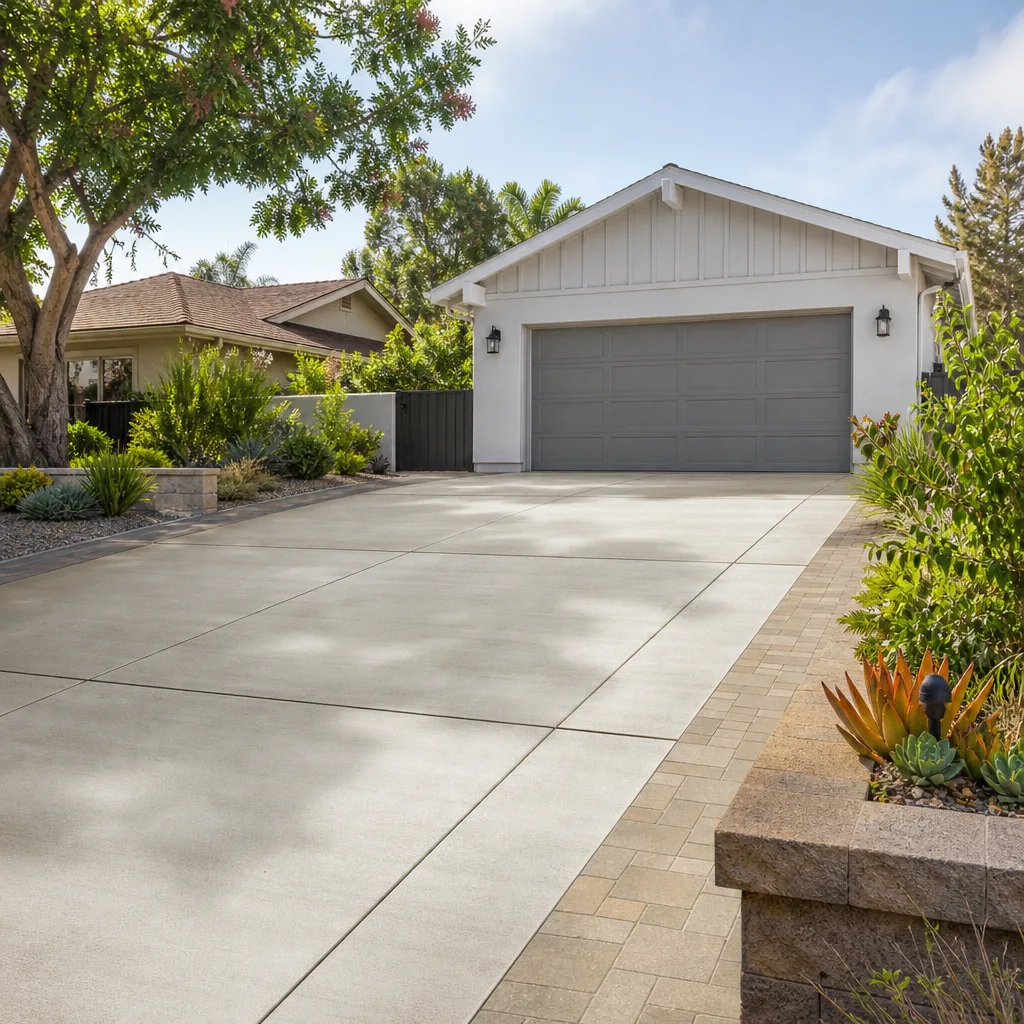
Driveway and hardscape. Concrete or paver driveways price by square footage and base preparation. The base is where Santa Clara jobs separate from cheap quotes: our area’s clay-heavy soils often need deeper excavation and a proper compacted base, and skipping that step is why some driveways crack in two winters. Paver work with Belgard, Unilock, or Techo-Bloc sits at the mid and high tiers; standard concrete sits at the low end.
- Driveway replacement, standard concrete: $8,000 – $16,000 depending on size and base depth
- Paver driveway with name-brand product: $14,000 – $28,000
- Patio or walkway flatwork: $4,000 – $12,000
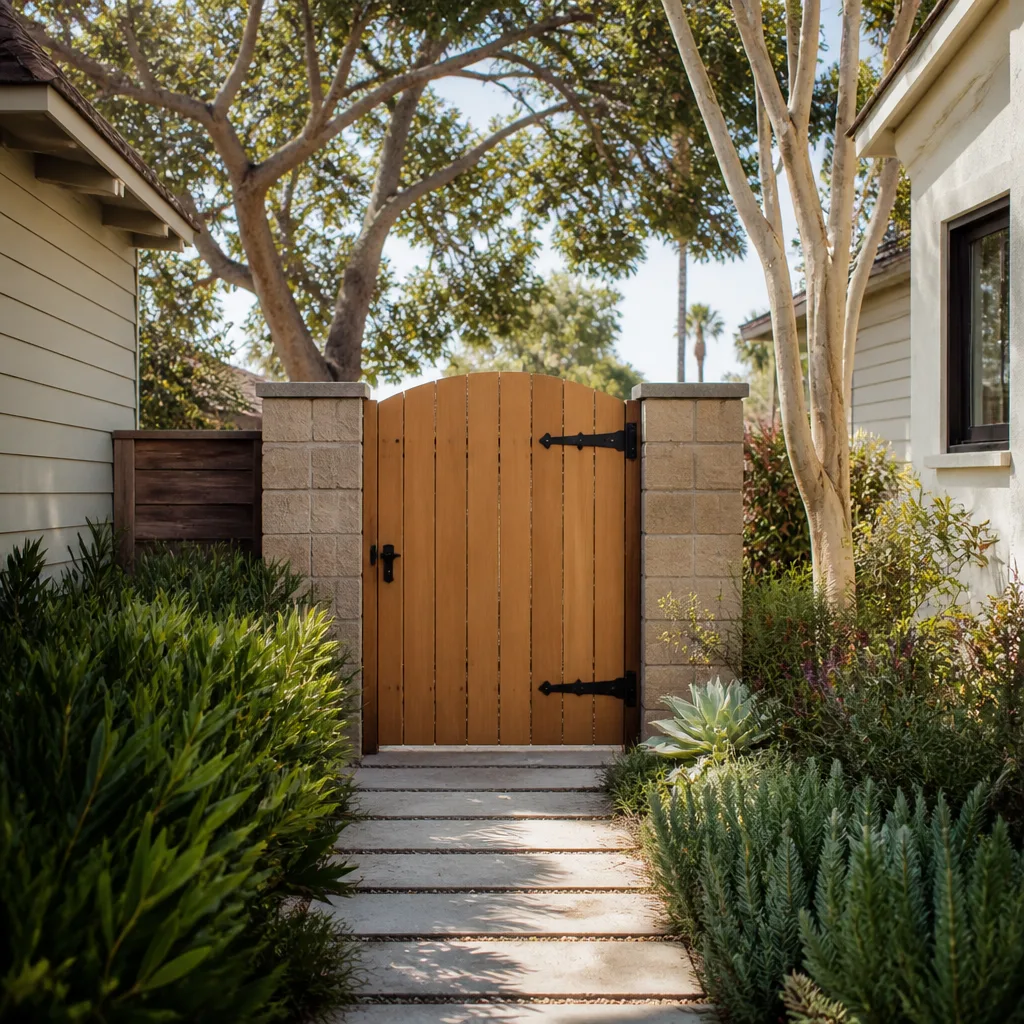
Fencing. Fence installation is priced by linear foot, height, and material. Wood fencing is the budget play; vinyl from Bufftech or ActiveYards and ornamental aluminum from Ameristar or Jerith sit higher. A typical Santa Clara lot perimeter runs a few hundred feet, so linear-foot pricing adds up quickly.
- Wood privacy fence: $35 – $65 per linear foot
- Vinyl fence: $45 – $85 per linear foot
- Ornamental aluminum or steel: $55 – $110 per linear foot
- Gate fabrication and hardware: $500 – $2,500
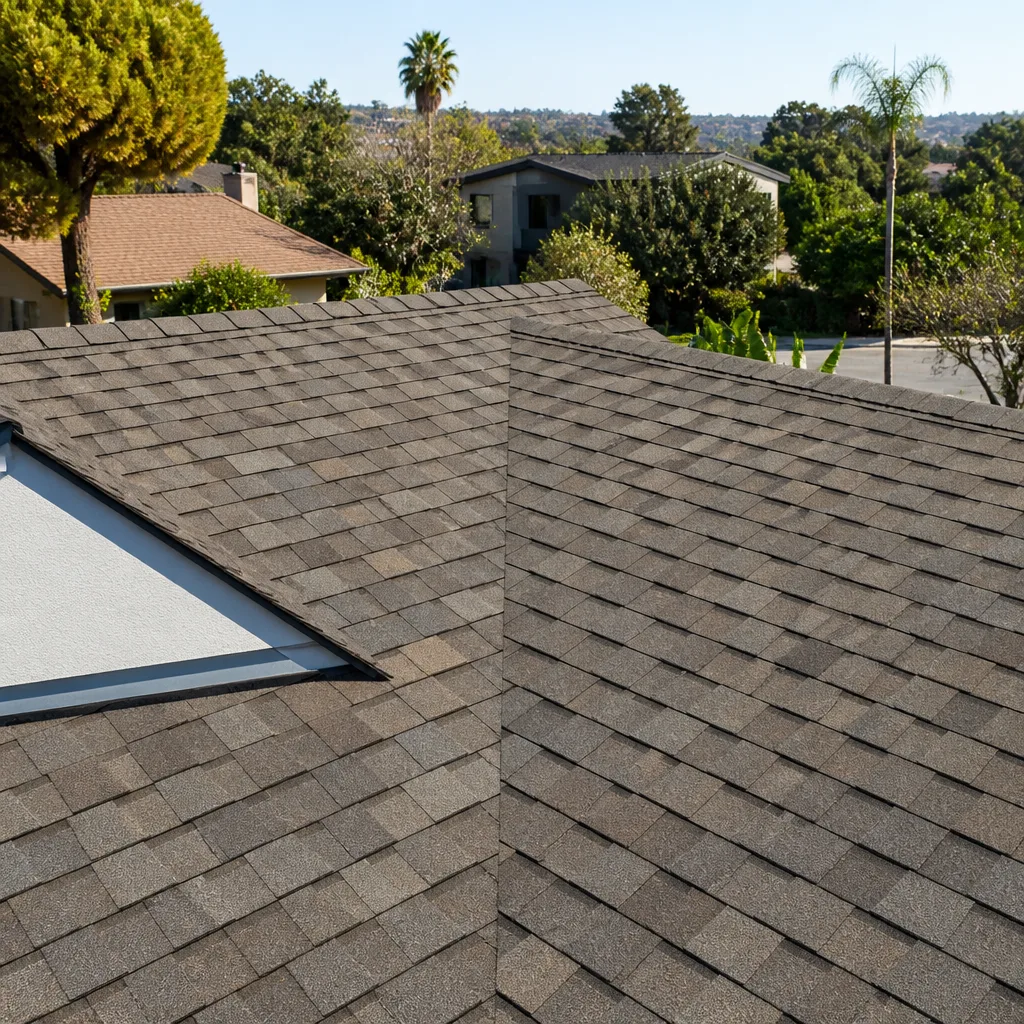
Roofing. A full tear-off and re-roof with GAF, CertainTeed, or Owens Corning shingles prices by roof square (100 square feet) and pitch. Steeper roofs and multi-layer tear-offs add labor.
- Asphalt shingle re-roof, standard pitch: $9,000 – $18,000
- Complex roof or steep pitch: $18,000 – $30,000
- Repairs and flashing: $400 – $2,000
Decking. Composite decking costs more upfront than wood but avoids annual staining and rot, which matters in a mild climate where the sun and occasional rain still take a toll.
- Wood deck: $35 – $65 per square foot
- Composite deck: $55 – $95 per square foot
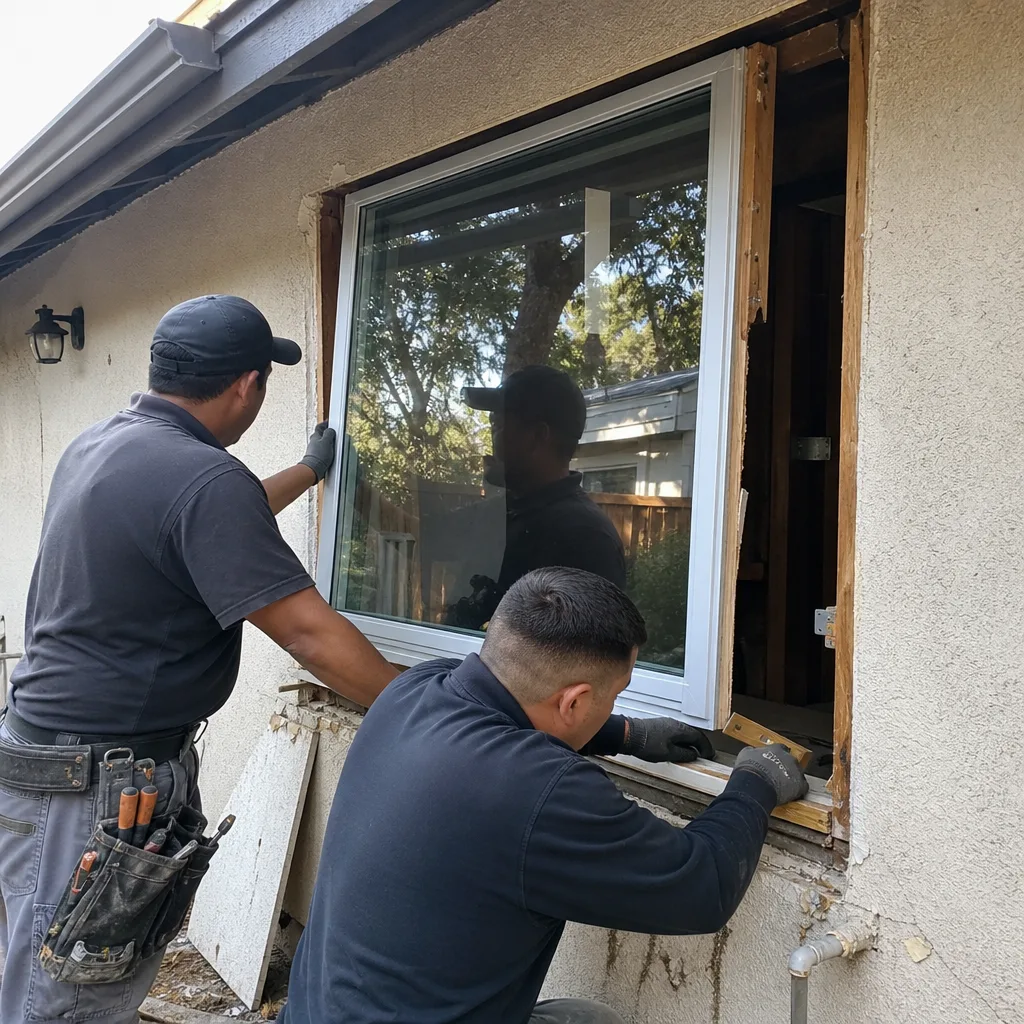
Windows and doors. Window replacement prices by unit and frame material. Impact-rated and specialty brands like PGT, CGI, and Therma-Tru sit above mainstream lines.
- Standard window replacement: $600 – $1,400 per window
- Impact-rated or specialty window: $1,200 – $2,600 per window
- Entry door replacement: $1,200 – $4,000
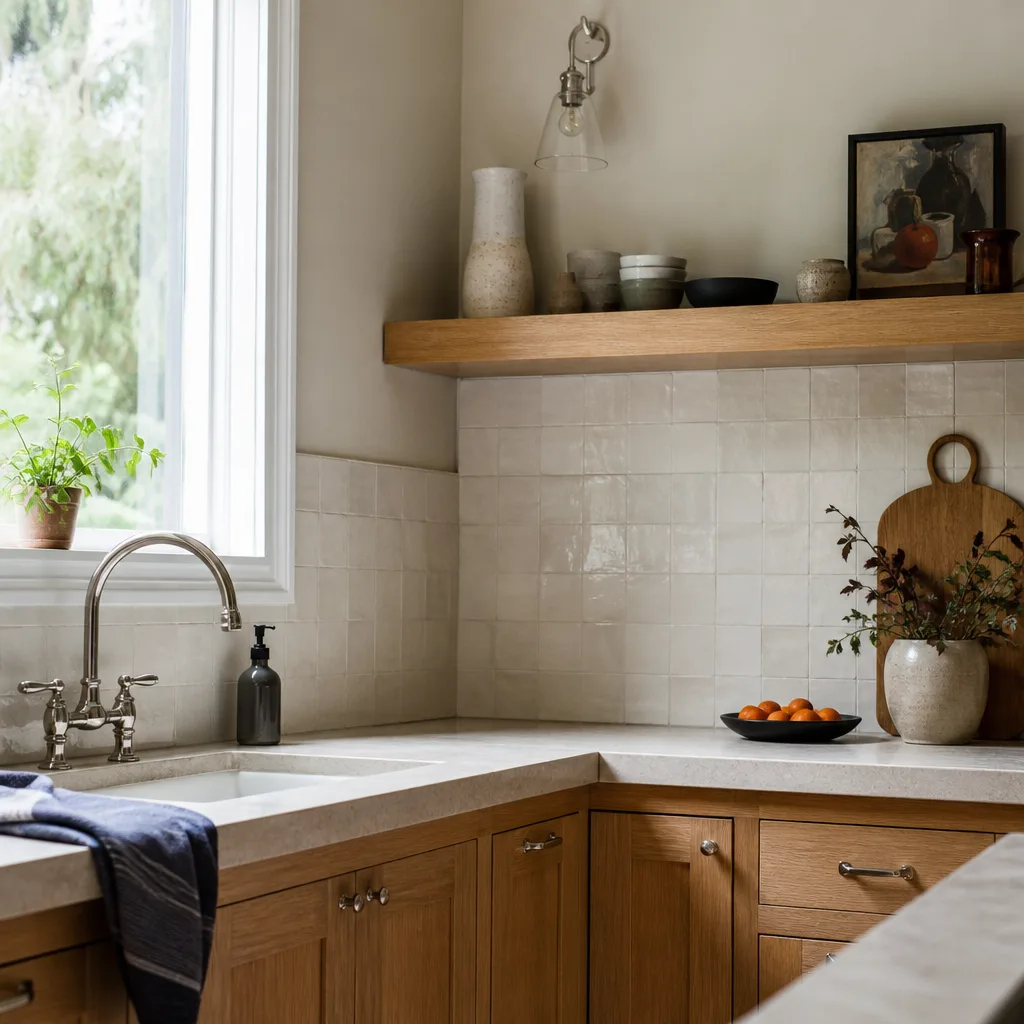
Kitchen remodels. Kitchen costs break into cabinetry, counters, fixtures, and labor. Cabinet selection spans semi-custom tiers like KraftMaid and Wellborn; surfaces come from Cambria, Silestone, and Caesarstone; fixtures from Grohe, Kohler, and Toto. A “refresh” with new counters and paint stays low; a full gut with layout changes climbs fast.
- Cosmetic refresh: $25,000 – $45,000
- Mid-range full remodel: $45,000 – $85,000
- High-end with layout changes: $85,000 – $150,000+
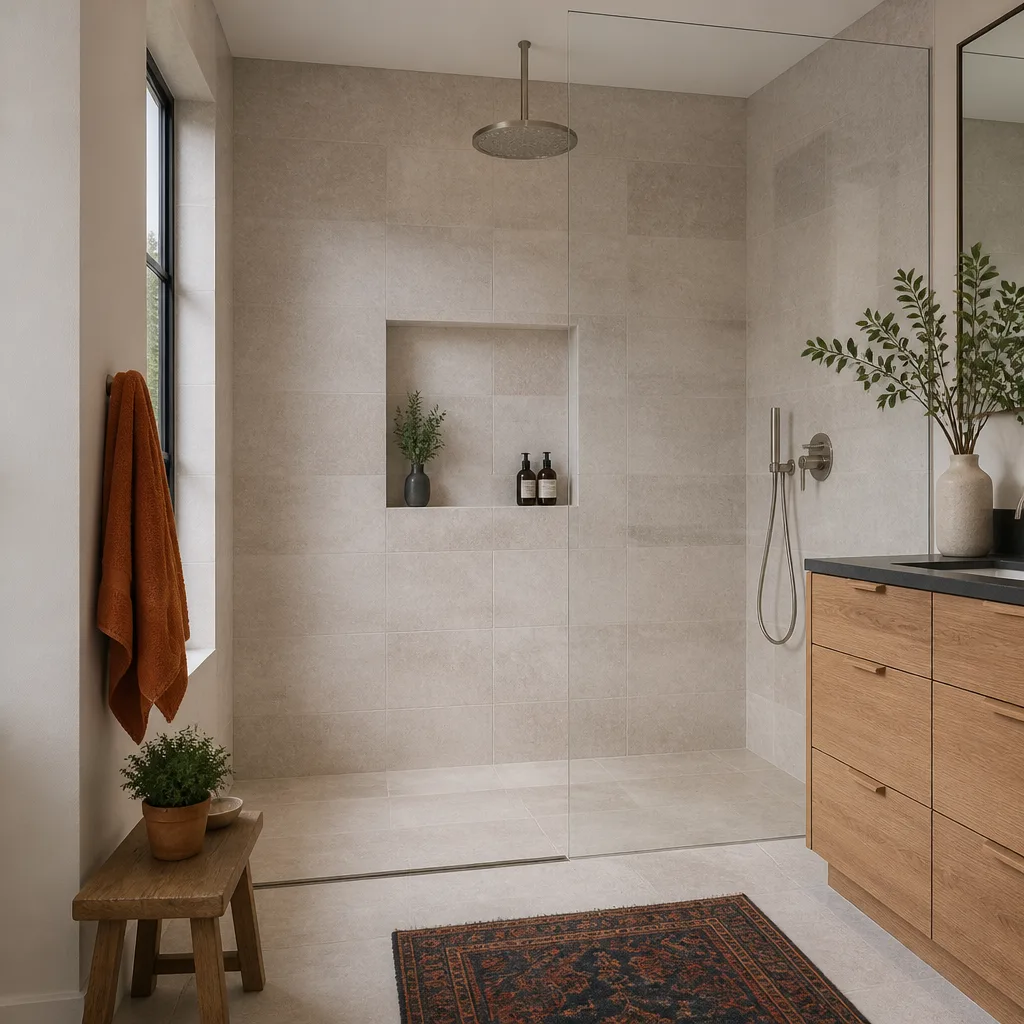
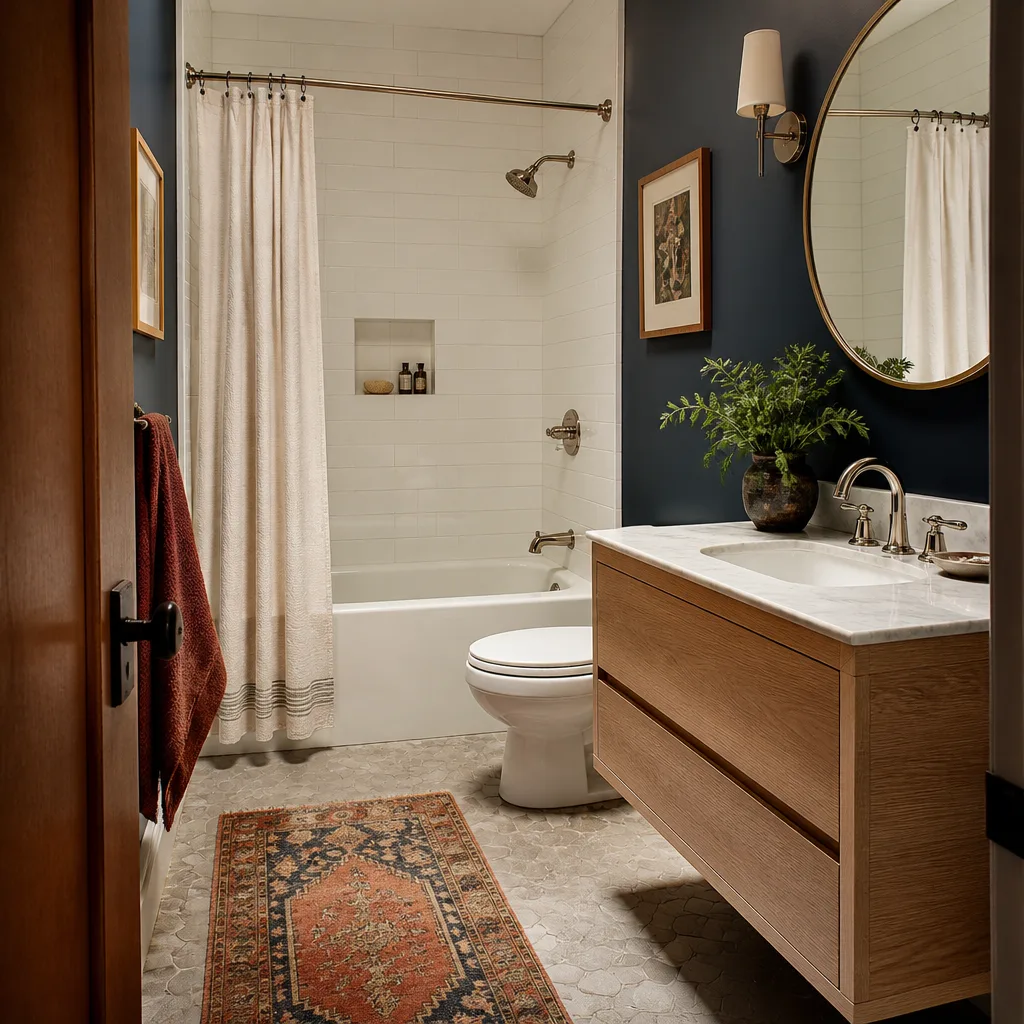
Bathroom remodels. Bathrooms price similarly but at smaller scale. A hall bath with a new tub, tile, and vanity sits well below a primary bath with a walk-in shower and premium fixtures.
- Hall bath remodel: $15,000 – $30,000
- Primary bath with walk-in shower: $30,000 – $60,000
Home additions and ADUs. This is where scope diverges most. A site-built addition prices by square footage and complexity; a prefab or modular ADU from partners like Abodu, Dvele, Mighty Buildings, Boxabl, or Plant Prefab can bring costs down by shifting labor to a factory. Both are legitimate paths.
- Site-built addition: $250 – $450 per square foot
- ADU, site-built: $150,000 – $350,000
- ADU, prefab/modular: $100,000 – $250,000
If you want to see how these numbers apply to a specific scope, our Construction Santa Clara team can walk through your project and put real quotes on paper.
How to Read a Contractor Bid
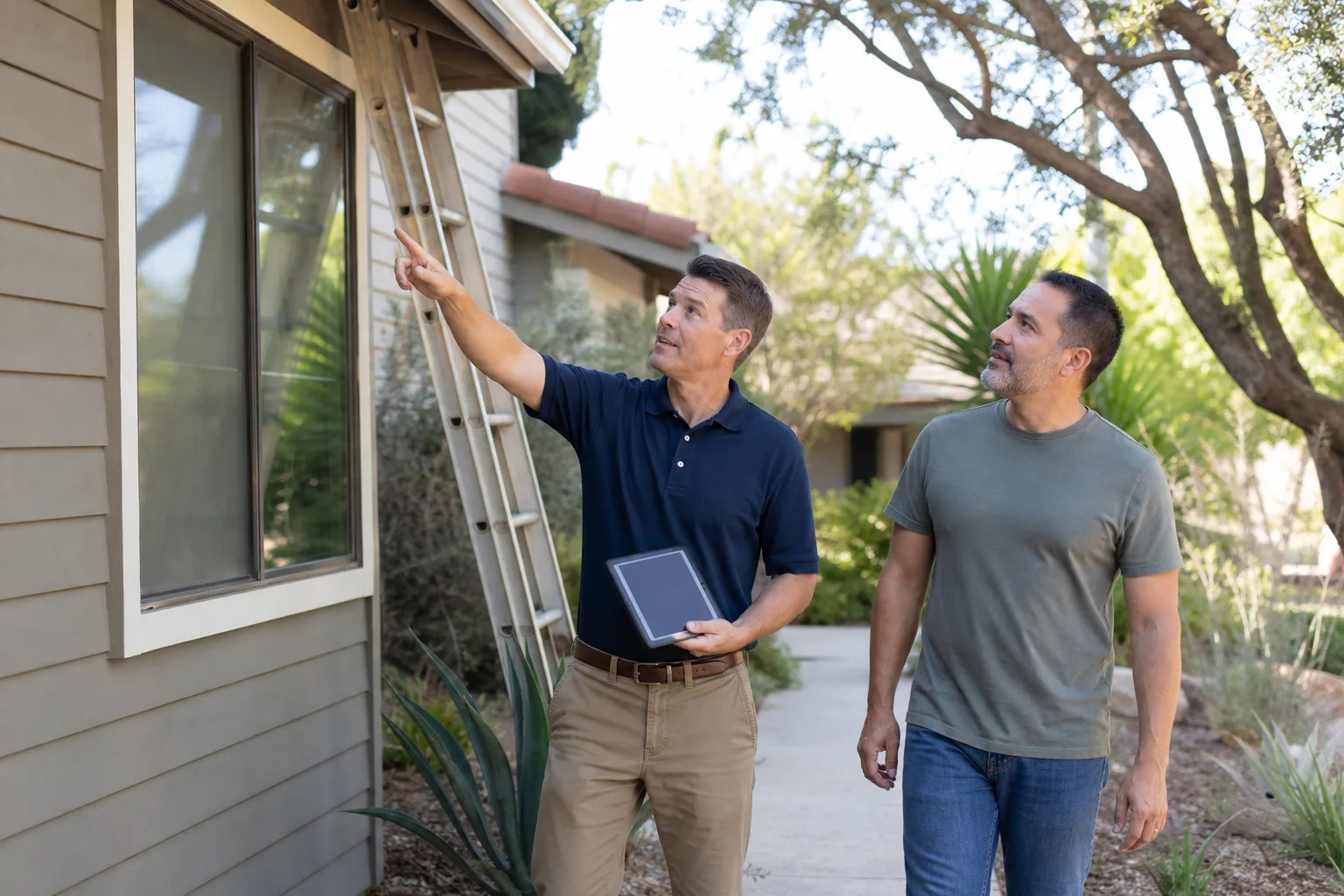
A bid is only useful if you can read it line by line. Most of the mispricing we see on Santa Clara projects happens in a handful of predictable spots, sometimes too high and sometimes too low. Here’s a practical process for reading any estimate before you sign.
- Check the labor section for hours and rate. A bid should show labor separately from materials. If it’s lumped into one number, ask for the split. A labor total that’s suspiciously low usually means the contractor is planning to use unskilled help or cut corners on site prep.
- Verify the materials allowance. Many bids list an “allowance” for tile, cabinets, or counters. If the allowance is set low, you’ll pay the difference at selection time. Ask what product tier the allowance actually covers and compare it to the brand you want.
- Confirm permits and inspections are included. Permit fees and inspection coordination should be explicit line items. If they’re missing, either the contractor plans to skip them (a red flag) or you’ll get a surprise bill later.
- Look for site prep and disposal. Demolition, hauling, and dumpster fees are real costs that sometimes get left out of a low bid and added back as change orders.
- Read the exclusions list carefully. Every honest bid has one. What’s excluded tells you where the price could climb once work starts.
- Compare apples to apples. Line up three bids side by side and check that each one scopes the same work. The cheapest bid is often cheap because it does less.
Ask for a fixed-price quote with a written scope, not a range. Fixed pricing with no change orders protects both sides. For driveways specifically, our driveway & pavers page breaks down what goes into a quote in more detail.
The Real Cost of Coordinating Multiple Contractors
Hiring specialists one at a time feels cheaper. It rarely is. When you contract a roofer, a window installer, a paver crew, and an interior remodeler separately, you take on a job you didn’t ask for: project manager. And that job comes with a cost that never shows up on any single invoice.
The hidden costs of multi-contractor coordination break down into three buckets:
- Time. Each trade has its own schedule, and gaps between crews stall the whole project. A roofer who finishes Tuesday and a window crew that arrives in two weeks means a two-week hole where nothing happens.
- Overhead. Every separate contractor bundles mobilization, dumpsters, and supervision into their bid. Four contractors means four mobilization charges. One contractor means one.
- Scheduling delays and rework. When one trade damages work the previous trade completed, someone has to fix it, and the dispute about who pays eats time and money.
The alternative is a single-source contractor who sequences the work. One accountable party, one schedule, one point of contact. Interior and exterior trades get coordinated so that roofing, windows, and doors happen before cabinets and flooring go in, which is the correct sequence. Coordination is also why a single-source contractor can hold a fixed price: the risk of a trade not showing up isn’t passed to you.
For homeowners planning a full-house upgrade, single-source scope is the difference between a series of disconnected jobs and one project with one finish line. Our fence installation and home additions & ADU pages describe how those phases slot into a coordinated build. When you’re ready to plan, call (844) 435-8936 for a free estimate.
How 2025 – 2026 Tariffs Are Affecting Pricing
Tariffs on imported steel, lumber, and composite materials have moved supplier pricing around the world through 2025 and into 2026, and Santa Clara projects feel it in specific categories. This isn’t a reason to panic, but it is a reason to update your mental pricing model.
Here’s how the tariffs land by category:
- Steel products. Fencing (ornamental aluminum and steel), some window frames, and certain hardware lines all carry steel content. Fence quotes that were competitive a year ago may not be today.
- Lumber and framing. Additions and ADUs are lumber-heavy, so framing costs track the commodity market. A project budgeted six months ago needs a fresh quote.
- Composite materials. Composite decking and certain hardscape products have repriced as tariffs ripple through supply chains. Brand-name options like Techo-Bloc and Belgard are still worth the price for their durability, but the gap between tiers may have shifted.
- Roofing. Asphalt shingles from GAF, CertainTeed, and Owens Corning have seen softer tariff exposure than steel, but energy and delivery costs still affect pricing.
The practical takeaway is that a quote older than about six months is a guess. Get fresh bids in 2026, and ask each contractor how they’ve adjusted their material allowances for tariff-driven price changes. A contractor who can explain their material sourcing is a contractor who won’t surprise you with a change order halfway through the job. When you request an estimate from us, the written quote reflects current 2026 pricing.
Why Two Identical Jobs Can Differ by Thousands
Two homeowners on the same Santa Clara street can get driveway quotes that differ by $8,000 and both be legitimate. That number isn’t a mistake. It’s the result of factors that don’t show up in a photo or a quick walkthrough.
What drives the gap:
- Site condition. Soil type, slope, drainage, and access all affect excavation and base work. A lot with clay-heavy soil and poor drainage needs more prep than a dry, flat one.
- Existing conditions. Tearing out an old driveway is a different job from pouring on a new subgrade. Hidden rot under a deck or old wiring behind a kitchen wall adds labor.
- Material selection. A Belgian block paver driveway and a poured concrete driveway at the same square footage are not the same project. Brand selection is a choice, and the price reflects it.
- Permit and inspection requirements. Some projects pull permits and require inspections; others don’t. The permit fees and inspection scheduling are real money.
- Contractor overhead. A well-run contractor with proper insurance, supervision, and material relationships carries more overhead than a one-truck operation. That overhead buys reliability.
When you compare bids, ask each contractor to explain what’s driving their number. A contractor who can point to specific site conditions and material choices has done the thinking. A contractor who can’t explain the difference between their bid and a lower one is relying on you not asking. Estimates from us are itemized, which is how clients make informed comparisons.
Single-Source Versus Multi-Trade: What Pays Off
Hiring one contractor for the whole scope isn’t always correct for every project. A small repair doesn’t need it. But for a coordinated upgrade that touches multiple trades, single-source scope earns its keep.
Here’s how they compare:
- Time. Multi-trade means waiting between crews. Single-source means sequenced scheduling.
- Budget certainty. Multi-trade means change orders from three directions. Single-source means one written estimate and one fixed price.
- Material access. Single-source contractors buy across categories, so they can quote GAF, CertainTeed, or Owens Corning for roofing and Kohler or Grohe for fixtures in the same project without a markup stack from each trade.
- Accountability. Multi-trade means blame shifts when something goes wrong. Single-source means one company owns the outcome.
Our team works across seven categories: roofing, windows and doors, driveways and pavers, fences, kitchen and bath remodels, and home additions and ADUs. That means we can scope a project from the driveway to the roofline under one accountable contract. Our technicians have up to 13 years of experience, and estimates are free and itemized. Call (844) 435-8936 to schedule yours.
Common Mistakes to Avoid
- Hiring on the lowest bid. The lowest number is often low because it excludes scope, not because it’s a bargain. Line up three bids and compare the work each one actually covers.
- Accepting a stale estimate. A quote from last year’s material prices won’t survive 2026 tariff repricing. Ask for a fresh number before signing.
- Skipping permit checks. Call the city’s building department and confirm what permits a project requires. An unpermitted addition or re-roof becomes a problem when you sell.
- Ignoring site prep. A base that’s too shallow or a subgrade that isn’t compacted is the number-one cause of early driveway and hardscape failure in Santa Clara’s clay soils.
- Setting a low materials allowance. If the bid allows $5 per square foot for tile and the tile you want costs $12, you’ll pay the difference. Choose your materials before signing, not after.
- Managing too many contractors. Coordinating four trades yourself saves the management fee and costs you the time, sequencing errors, and rework that come with it.
- Paying in full before completion. A deposit is normal; a full payment before work is finished removes your leverage. Hold a final payment until the punch list is done.
See the difference
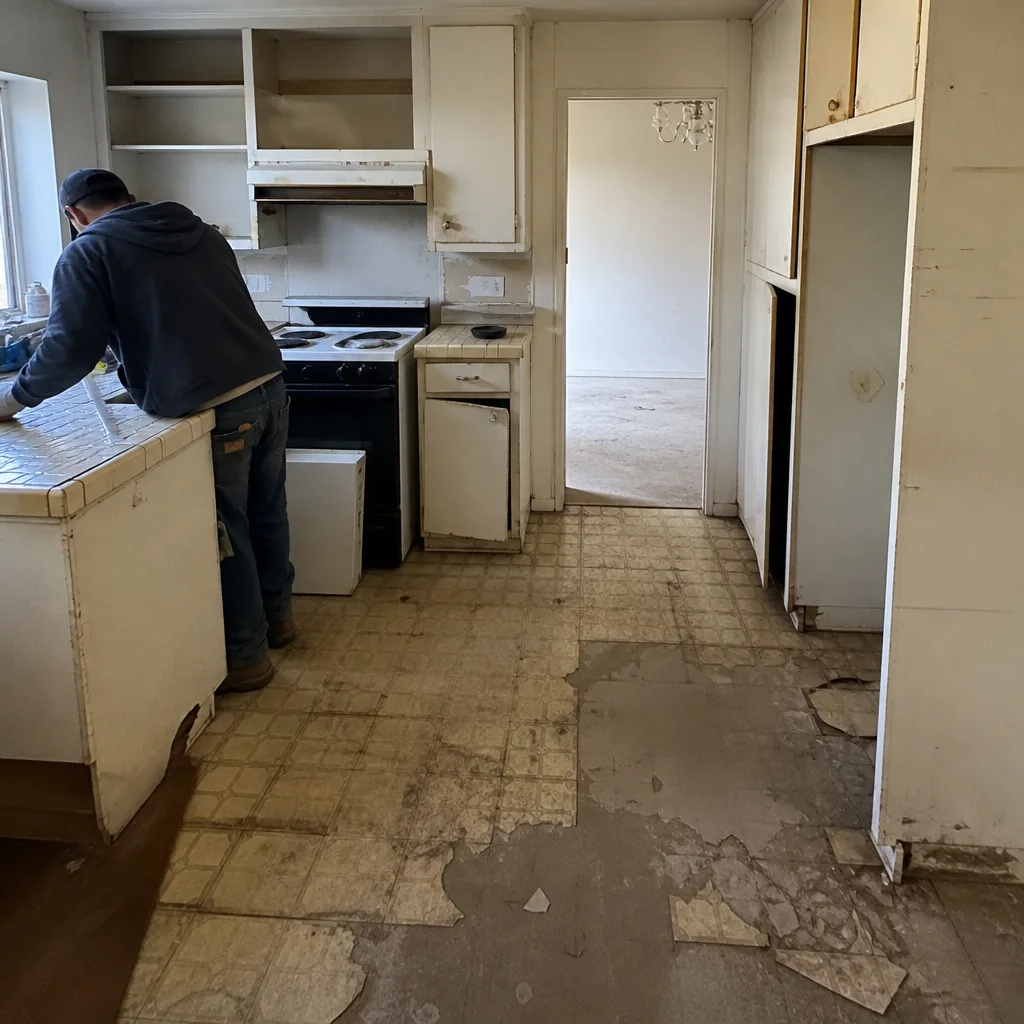 Before
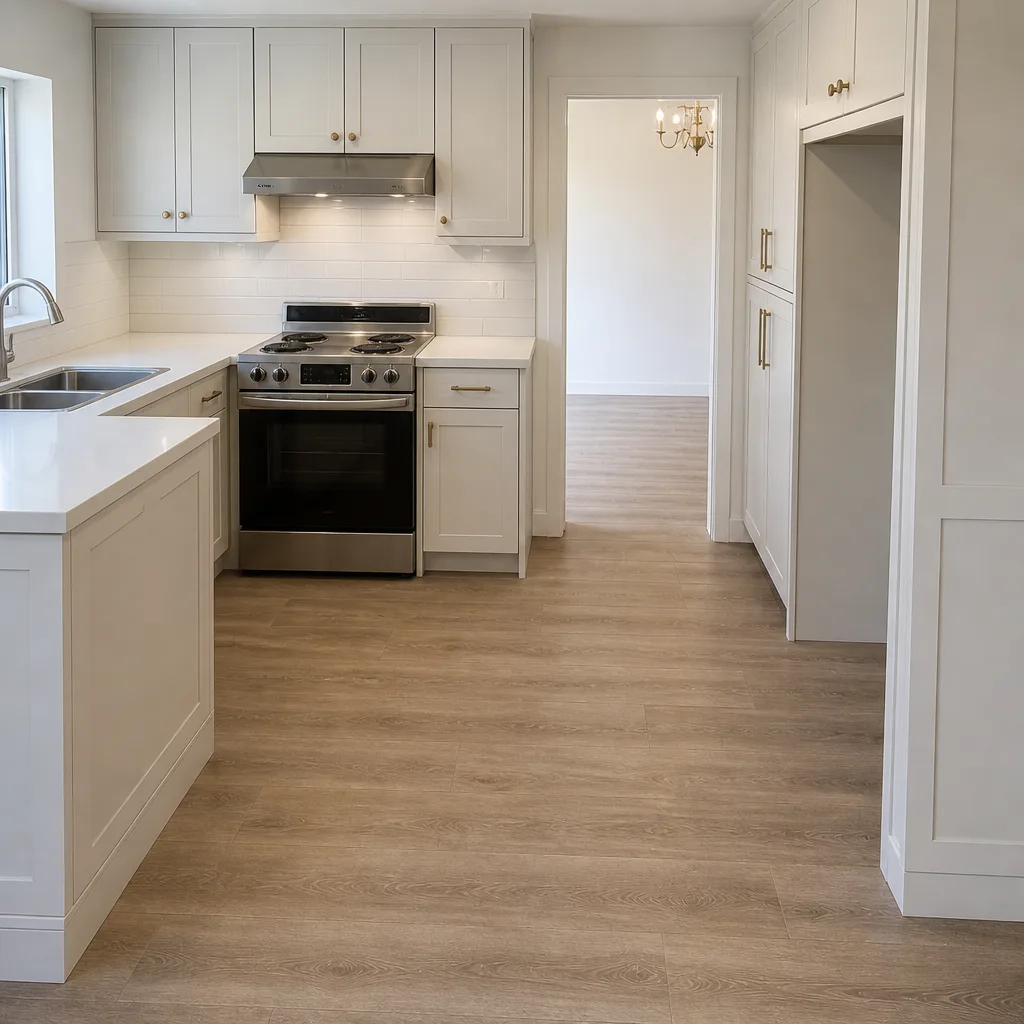 After
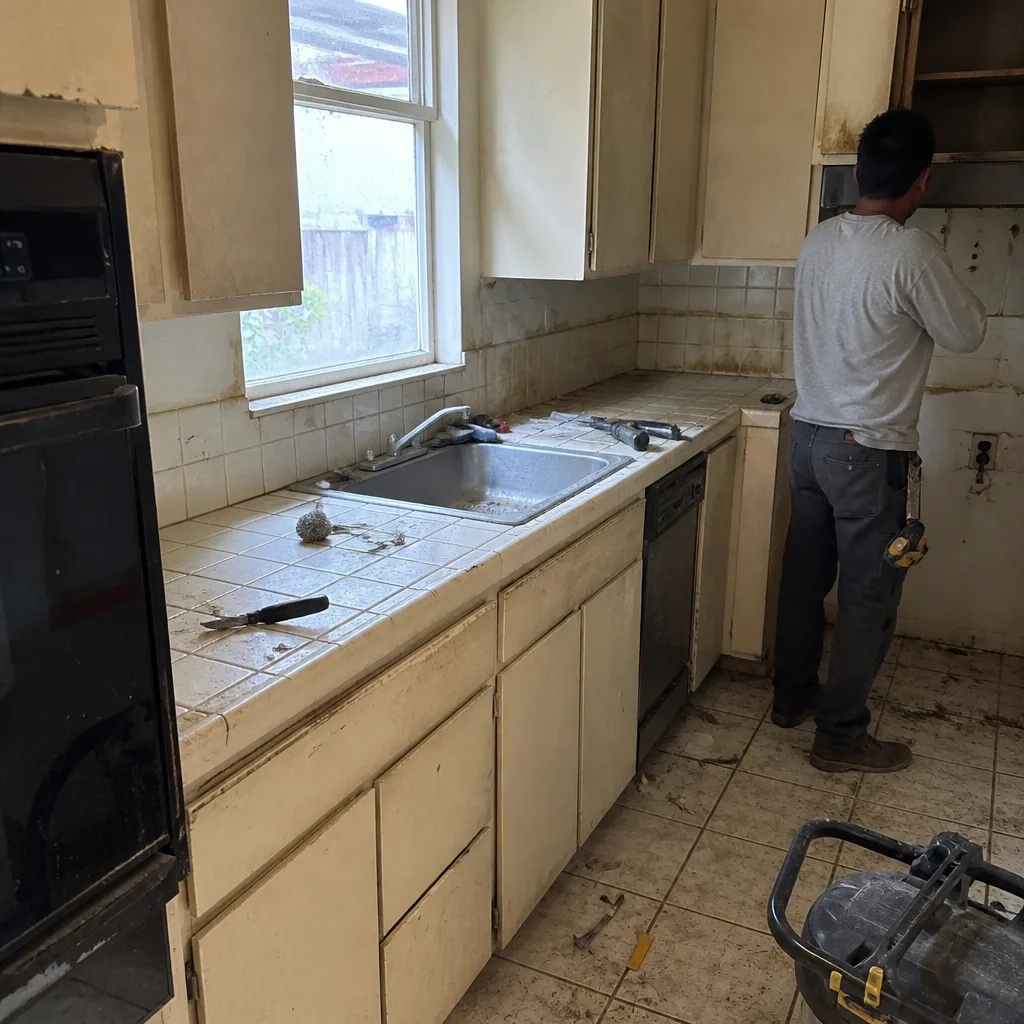 Before
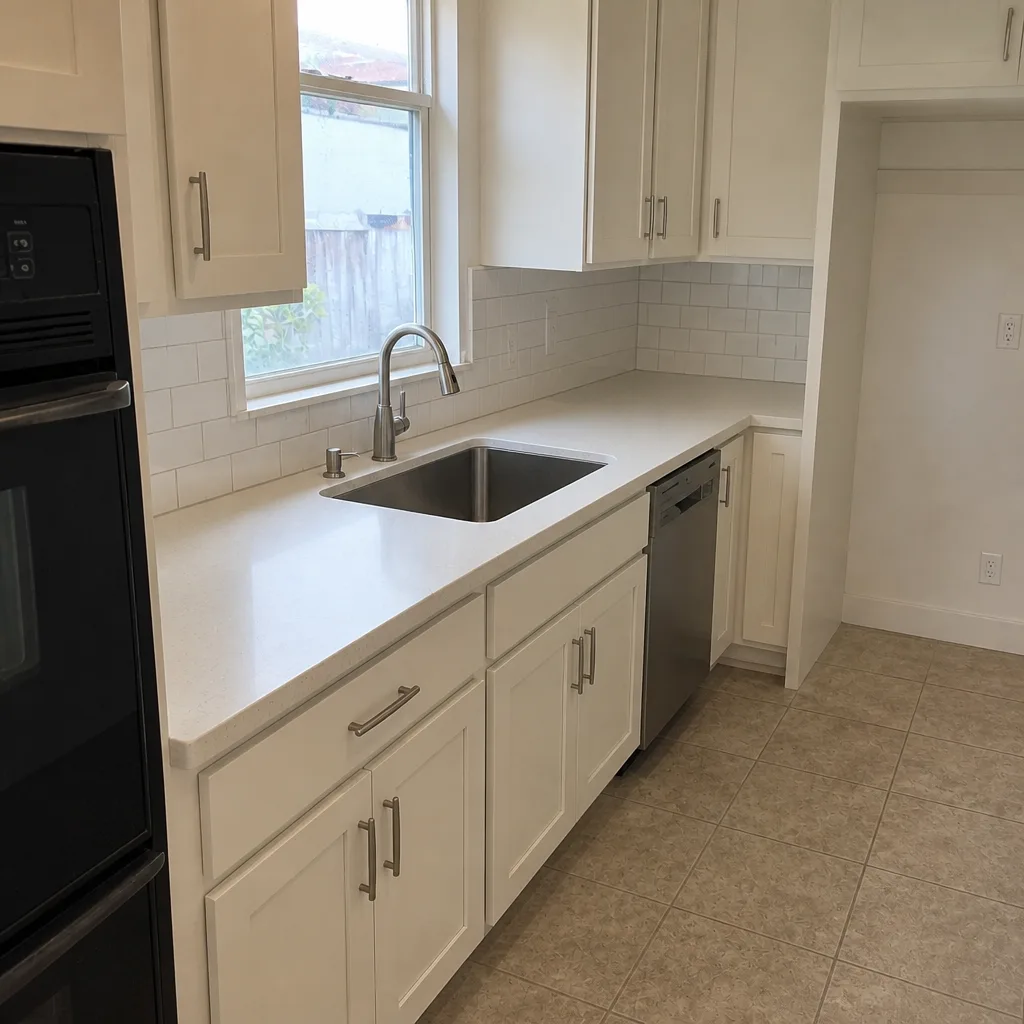 After
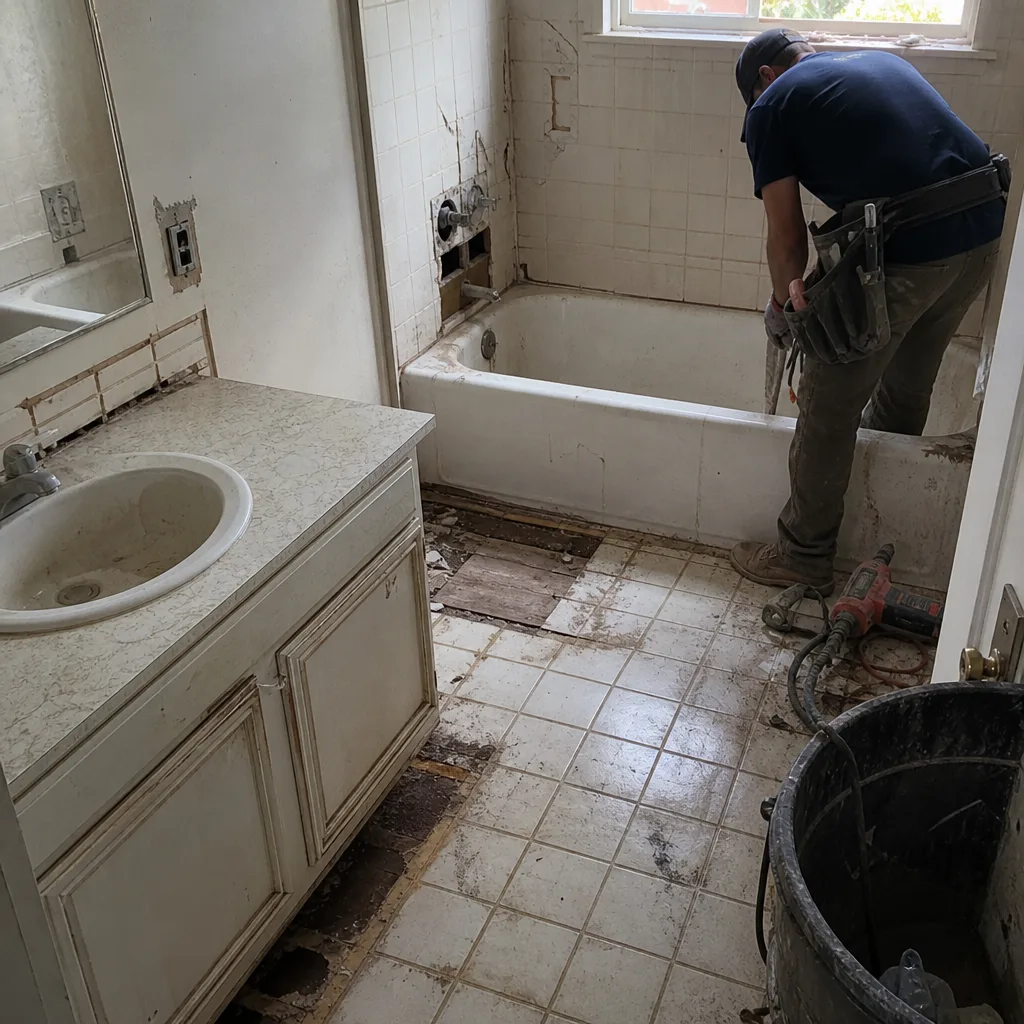 Before
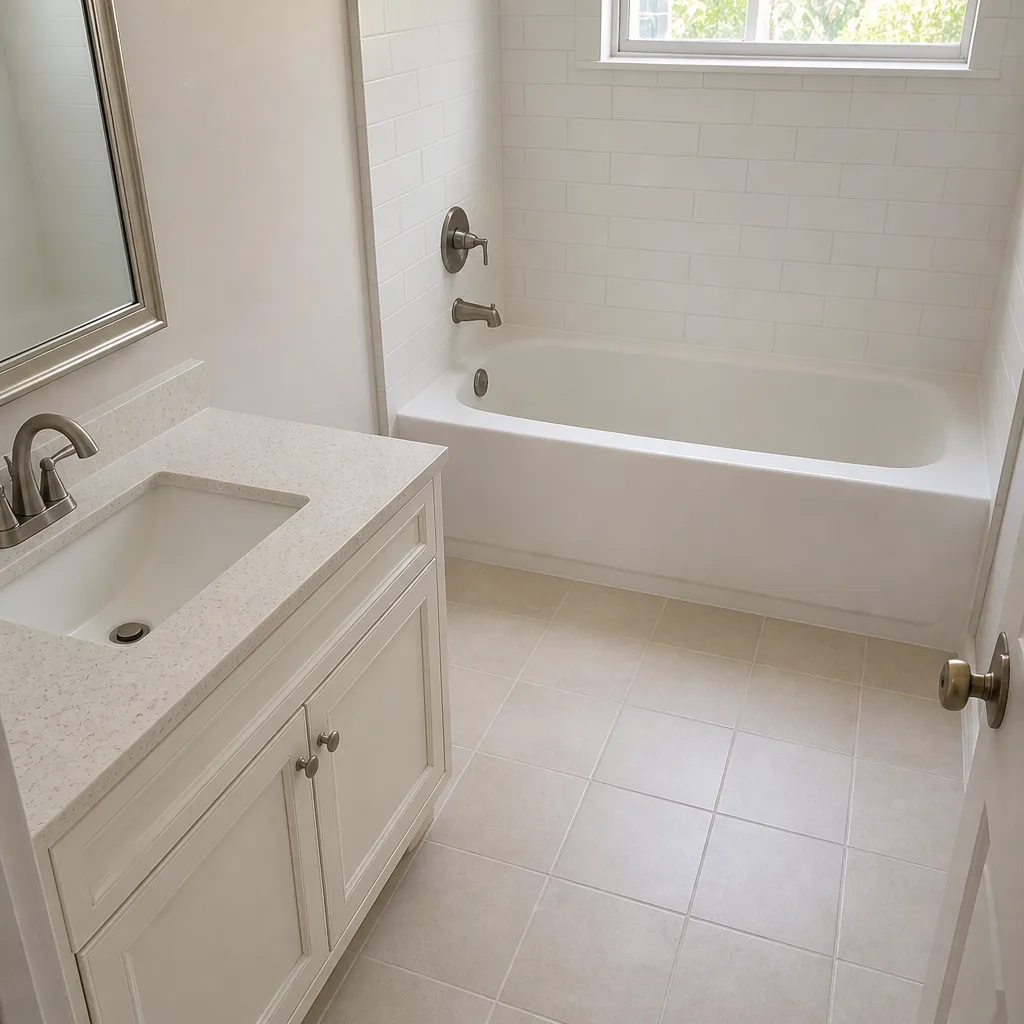 After
When to Call a Professional
Some projects are safe to handle yourself, but the ones on this list aren’t. Call a licensed contractor if your project involves structural changes, electrical or gas work, roofing, plumbing, or anything that requires a permit. Steep-roof work and electrical panel or gas line changes in particular carry real safety risk and belong to trained professionals. If you’re touching foundation, framing, or load-bearing walls for an addition or ADU, get a contractor who pulls permits and schedules inspections. And if you’re coordinating more than two trades, a single accountable contractor will save you more than the coordination fee costs. Construction Santa Clara offers free estimates in Santa Clara, and our team is happy to walk your project and put a written line-item quote together. Call (844) 435-8936. We answer 24/7. Fast dispatch from 7am to 7pm, Sunday through Friday.
Frequently Asked Questions
It depends on the category: a driveway typically runs $8,000 to $28,000, a kitchen remodel $25,000 to $150,000+, and an ADU $100,000 to $350,000, with labor and material repricing driving the top of each range. Every written estimate sets your actual price, so request a quote for your specific scope. Call (844) 435-8936 for a free estimate.
It shouldn’t if the estimate is itemized and the scope is clear. A fixed-price bid with a written scope and a defined exclusions list is your best protection, and change orders should only come from scope changes you agree to in writing. Call (844) 435-8936 to discuss a fixed-price estimate.
Yes. Permit fees and inspection coordination should be explicit line items in any bid, and a contractor who skips permits on a project that requires them is taking a risk that lands on you at resale. Confirm permit handling before you sign. Call (844) 435-8936 to review your project’s permit requirements.
It depends on scope. A re-roof typically takes a few days, a kitchen or bath remodel runs weeks, and an addition or ADU runs months from permits to punch list. Any bid should state a timeline with clear phases so you know what to expect. Call (844) 435-8936 for a project-specific schedule.
Site condition, material selection, existing conditions, and permit requirements all shift the number even when the photos look the same. Both quotes can be legitimate and still be thousands apart because the work behind them isn’t identical. Call (844) 435-8936 for an itemized estimate that explains what drives your price.
Not usually. Separate contractors mean separate mobilization charges, gaps in the schedule, and rework disputes, and those hidden costs often exceed the coordination savings. One accountable contractor with a fixed price usually comes out ahead on coordinated work. Call (844) 435-8936 for a single-source estimate.
The Bottom Line
Santa Clara construction pricing in 2026 is shaped by Bay Area labor rates, tariff-driven material repricing, and the hidden cost of multi-contractor coordination, and generic estimators don’t model any of it. Read every bid line by line, ask what drives the difference, confirm permits and materials allowances, and choose a contractor who can explain their number. A single-source contractor who sequences the work and holds a fixed price gives you the most control over what you spend. For a free, itemized estimate written to 2026 pricing, call (844) 435-8936. We answer 24/7. Fast dispatch from 7am to 7pm, Sunday through Friday.
Written by the team at Construction Santa Clara.