Last updated November 18, 2026

Free written scope consultation - allowances, timeline, and change-order rules on paper before a single trade is scheduled
Choosing the Right Construction Brand: A Buyer’s Guide for Santa Clara
The brand on the box matters less than most homeowners think, and more than they realize – just not in the same way. A skilled installer can take a premium shingle and ruin it with bad flashing and poor ventilation, while a correctly installed mid-tier product performs exactly as its spec sheet promises. So the brand decision isn’t really about the label. It’s about matching a material’s documented performance to your application, then confirming the person installing it is authorized to keep the warranty alive. In Santa Clara, where strong summer sun and dry stretches do more damage than cold ever will, that distinction decides whether your project lasts or becomes a callback.
Quick Answer
In Santa Clara, brand choice matters most in four product categories – roofing, pavers and hardscape, composite materials, and windows – because those are the ones with real performance differences between manufacturers and warranty terms tied to certified installation. In the other categories, specification and installation quality outweigh the name on the product. The single most useful habit is reading the manufacturer’s technical data sheet before you sign anything, then verifying the contractor is a certified installer for that brand.
Styles & brands we work with
- Kitchen remodeling
- Bathroom remodeling
- Home additions & ADU
- Roofing
- Windows & doors
- Driveway & pavers
- Fence
Table of Contents
- Where brand differentiation actually matters
- Where specification and installation beat the brand name
- How to read a technical data sheet for Santa Clara’s climate
- The warranty comparison framework
- How to verify certified installation
- The brands we specify and why
- Common mistakes to avoid
- When to call a professional
- Frequently asked questions
Where Brand Differentiation Actually Matters in Santa Clara
Four categories carry meaningful brand differences: roofing, pavers and hardscape, composite fencing and decking, and windows. In these, manufacturers differentiate on real engineering – shingle weight and reinforcement, paver compressive strength and colorfastness, composite moisture absorption, glass coatings and frame thermal ratings. Those differences show up in performance and in what the warranty covers.
Roofing is the clearest example. A three-tab shingle from a budget line and a laminated architectural shingle from GAF, CertainTeed, or Owens Corning are not built to the same spec. The laminated products rate for higher wind uplift and carry longer material warranties. In Santa Clara, the practical value of a heavier shingle is mostly wind and thermal cycling resistance – the roof surface swings from cool nights to hot afternoons daily, and the membrane moves with it.
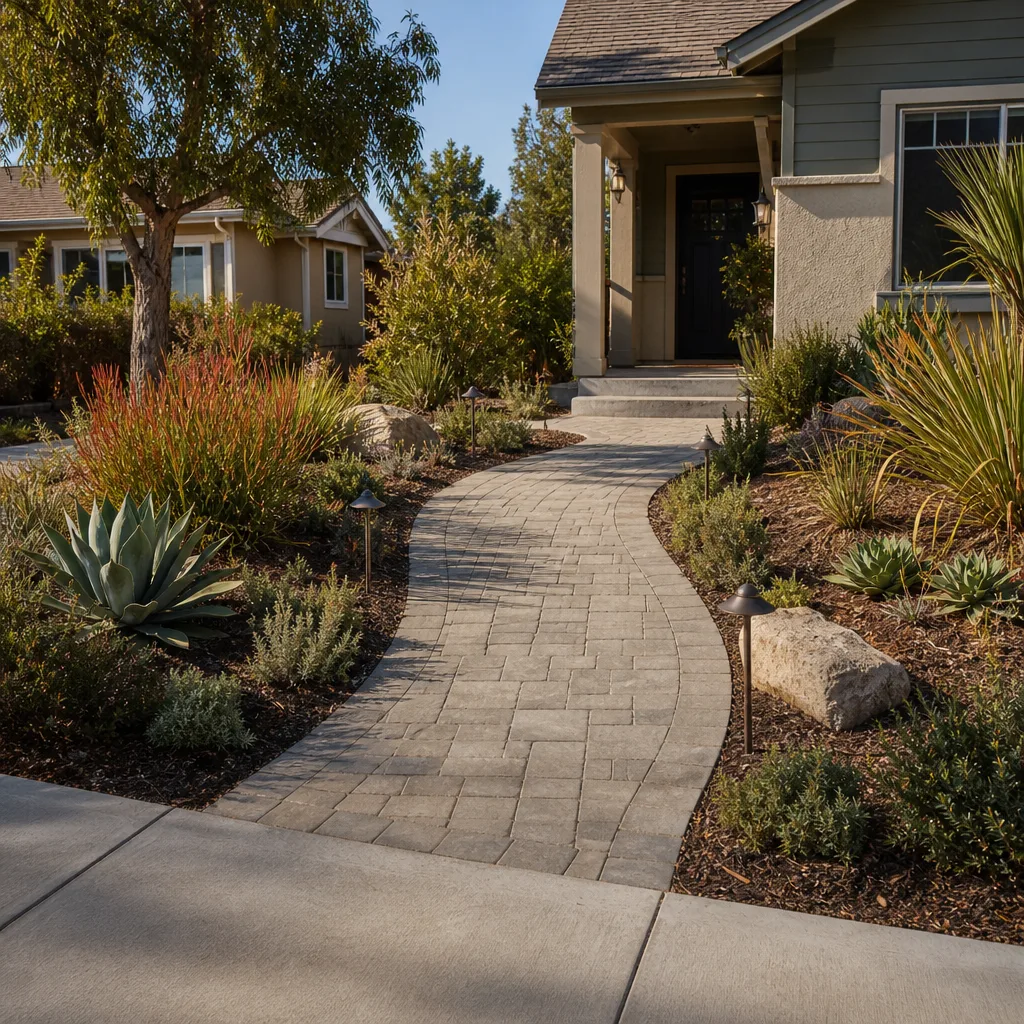
Pavers and hardscape products from Belgard, Unilock, Techo-Bloc, and Cambridge are engineered with documented load ratings and dimensions. That matters for a driveway that sees cars, less so for a garden path. Composite fencing from lines like Bufftech or Barrette differs from wood or basic vinyl on moisture absorption and fade resistance, which is exactly what fails on a sun-baked fence line.
Windows are the fourth category. Frame material, glass coating, and hardware grade all vary between brands, and so do the air and water infiltration ratings. In a Santa Clara renovation where comfort and noise control matter, those specs do more for you than the brand name alone.
Where Specification and Installation Beat the Brand Name
In several categories, the brand is close to interchangeable and the installation detail decides everything. Interior kitchen work is the classic case. A quartz countertop from Caesarstone, Silestone, or Cambria is a good material in any of those lines, but a poorly measured template or a bad seam creates problems no brand can fix. The same holds for sinks and fixtures – a Kohler or Moen faucet installed with the correct supply lines and valves performs, while a premium fixture on sloppy plumbing doesn’t.
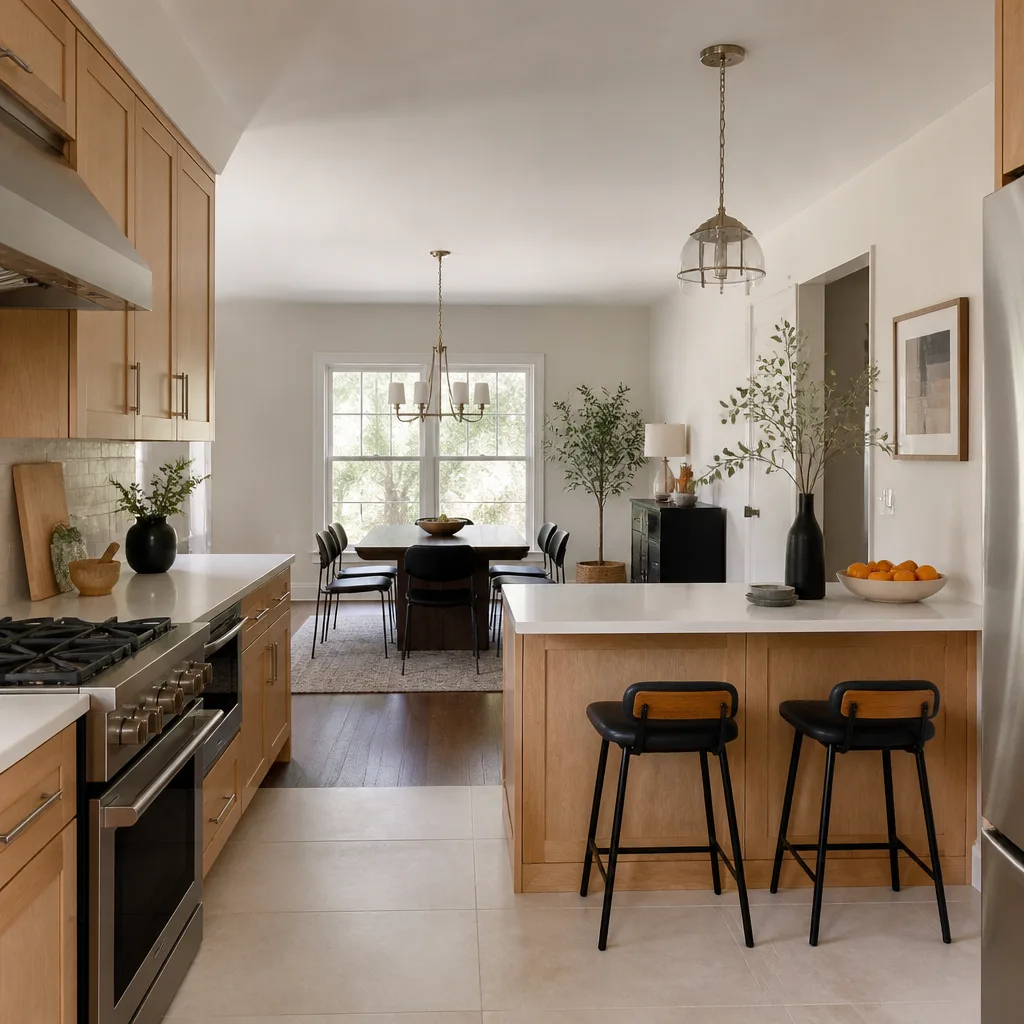
- Cabinetry: KraftMaid and Wellborn both sit in the semi-custom tier, and the difference between a good and a bad kitchen is usually layout and installation alignment, not the brand on the drawer box.
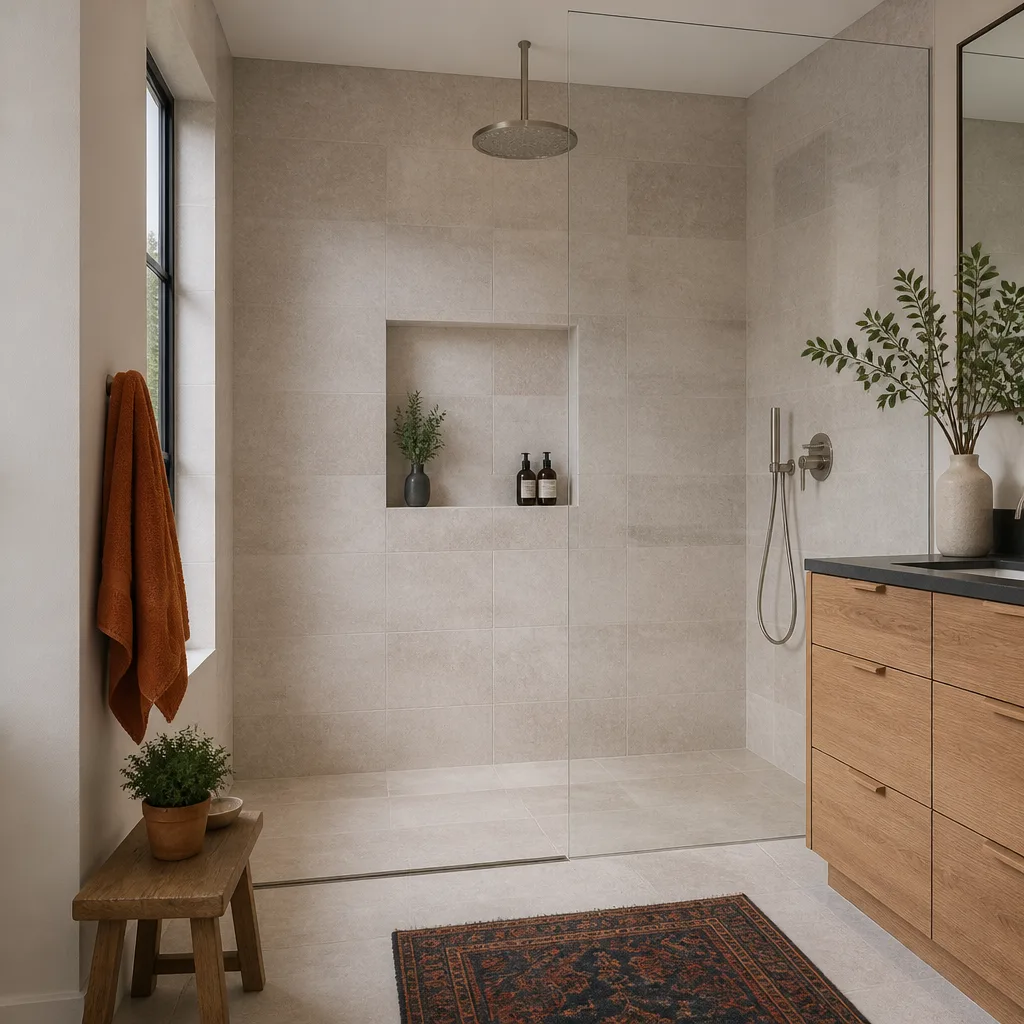
- Bathroom fixtures: Kohler, Moen, Grohe, Toto, Delta, and American Standard all make sound product lines; the drain slope and waterproofing behind the tile determine whether the bathroom holds up.
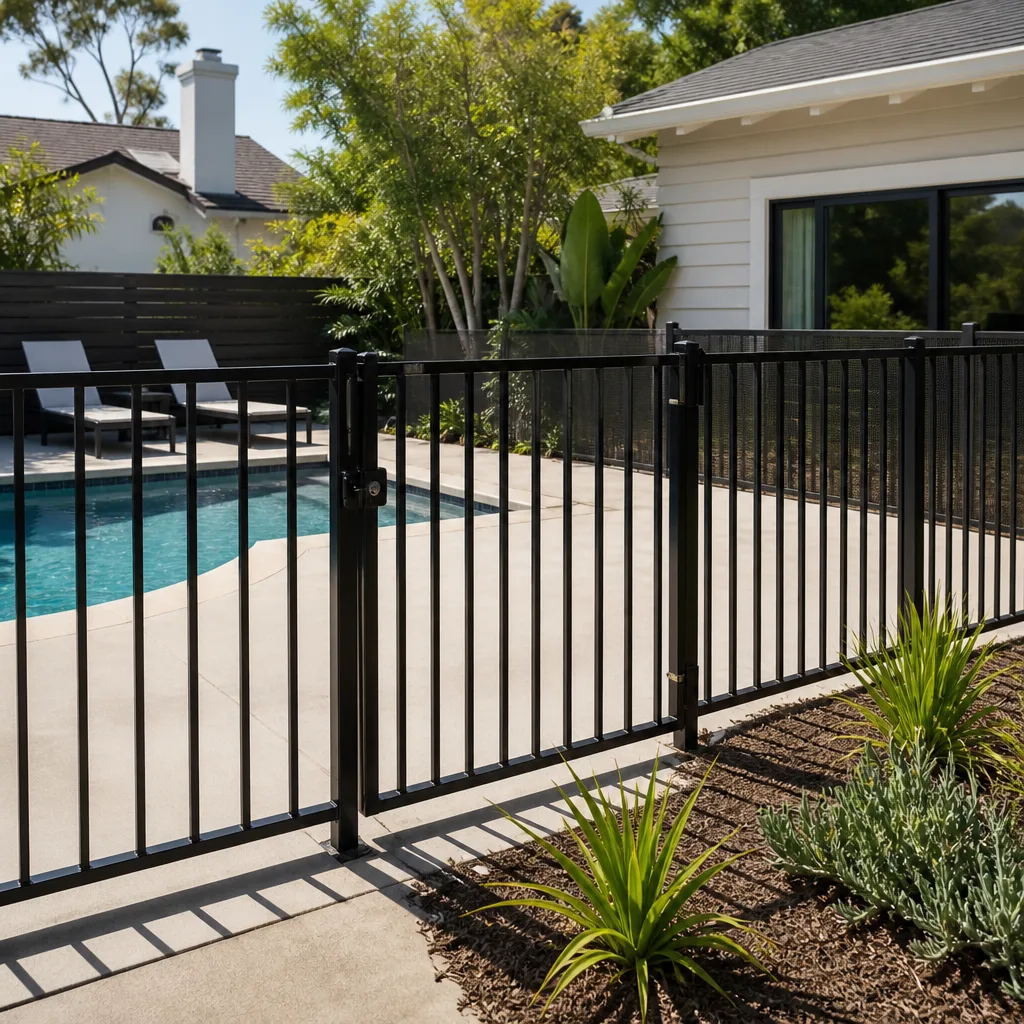
- Fencing hardware: Master Halco, Ameristar, and Jerith all supply posts, rails, and gates. Post depth and footing quality decide if the fence stays straight through a decade of ground movement.
- Driveways: Base compaction, subgrade prep, and edge restraint outrank paver brand for longevity. The paver is the visible layer, not the structural one.
Here’s the useful test: if two brands in a category both carry documented specs and both come from manufacturers with a certified installer network, the quality of the crew matters more than which name you pick. Ask how the installer handles the details behind the finish, not which logo is on the sample.
How to Read a Technical Data Sheet for Santa Clara’s Climate
Every reputable manufacturer publishes a technical data sheet, sometimes called a product data sheet or spec sheet. Most homeowners never open one, which is why brand choices so often default to whatever the contractor happens to install. Three numbers on that sheet mean the most here.
- UV resistance or colorfastness rating. Santa Clara gets long stretches of intense summer sun. Look for a documented colorfastness rating or a UV stabilization claim on anything exposed – shingles, pavers, fence panels, window frames. A material without a UV rating is a material that may fade or chalk quickly.
- Thermal expansion coefficient. Materials expand and contract as temperatures swing from cool nights to hot afternoons. That daily cycle stresses joints, seams, and fasteners. A lower expansion coefficient means less movement and fewer long-term joint failures, which matters for long paver runs, metal flashings, and window frames.
- Moisture absorption rate. Even in a dry climate, mornings bring dew and winter brings rain. A material with a low moisture absorption rate resists swelling, warping, and freeze-free structural movement. This is the number to compare on composite fencing and decking products.
Read the sheet alongside the installation instructions. Manufacturers publish both, and the install instructions are where the warranty conditions usually hide – fastener type, spacing, substrate requirements, and ventilation minimums. If the sheet and the crew’s method don’t line up, ask why before work begins.
For roofing specifically, the data sheet should confirm the product meets the wind rating you need and identify the accessory products – underlayment, starter strips, ridge vents – that the manufacturer requires to validate the warranty. Using a competitor’s accessory under a branded shingle can void coverage.
The Warranty Comparison Framework
A “lifetime” warranty sounds like the strongest promise on the page. Often it isn’t. Two manufacturers can both say “lifetime limited warranty” and mean very different things, so compare the terms rather than the words. Here’s the framework we use when helping homeowners compare products.
- What’s covered: material only, or material plus labor? Material-only coverage leaves you paying the installation cost on any claim.
- Who honors it: the manufacturer, the contractor, or both? A manufacturer warranty requires certified installation to stay valid.
- What voids it: improper installation, missing accessories, UV exposure beyond spec, or failure to follow published instructions. These exclusions are usually in the fine print.
- Proration: many “lifetime” warranties prorate, meaning the payout shrinks over time. A shorter non-prorated warranty can be worth more than a longer prorated one.
- Transferability: if the warranty transfers to a new owner, it adds resale value. If not, it’s worth less than it appears.
- Claim process: how does a claim get filed, and who inspects? A warranty with a clear claim path is worth more than one that requires you to chase the manufacturer.
The practical takeaway: ask for the full warranty document, not the summary. Read the exclusions section first. If the exclusions wipe out the coverage you care about, the warranty length is marketing, not protection. And remember the labor warranty is separate – it comes from the installer, not the manufacturer, so ask for both in writing.
How to Verify Certified Installation
This is the step most homeowners skip, and it’s the one that protects the warranty. Many manufacturers only honor their material warranty when the product is installed by a certified or authorized installer. If the crew that shows up isn’t on that list, the warranty may be void from day one.
Verification takes a few minutes:
- Ask the contractor which manufacturer certifications they hold and for which product lines. Specifics matter more than general claims.
- Check the manufacturer’s own website for an authorized installer locator. Most major brands publish one.
- Ask for the warranty documentation before work starts, and confirm the warranty names your installer as authorized.
- Confirm the accessories being used are the manufacturer’s specified products. Mismatched accessories are a common warranty exclusion.
Certification isn’t a magic guarantee of good work, but it does tell you the installer has been trained on that manufacturer’s system and that the warranty chain is intact. For a roof or a window package, that chain is worth protecting. For pavers and hardscape, certified installation from a manufacturer like Belgard or Unilock gives you the same coverage confidence.
The Brands We Specify – and Why
We work with a wide range of named manufacturers across the categories we cover, and we choose them for documented performance, not for the logo. The point isn’t brand loyalty; it’s matching spec to application.
- Roofing: GAF, CertainTeed, and Owens Corning. All three publish full technical data sheets and offer certified installer networks, which means you can compare wind ratings and warranty terms side by side.
- Pavers and hardscape: Belgard, Unilock, Techo-Bloc, Cambridge, Tremron, and Oldcastle. These lines publish load and weather ratings, so base prep and product spec can be matched to a driveway, patio, or path.
- Surfaces: Cambria, Silestone, and Caesarstone. Each offers documented durability and finish options, and the difference for your kitchen comes down to the slab you choose and how it’s seamed.
- Fixtures: Kohler, Moen, Grohe, Toto, Delta, and American Standard. We specify based on the product’s function in the room, not the brand’s status.
- Cabinetry: KraftMaid and Wellborn, both semi-custom, so the tier can match the budget.
- Windows and doors: PGT, CGI, ECO Window Systems, and Therma-Tru, alongside mainstream lines, so weather resilience and design both get addressed.
- Fencing: Master Halco, Ameristar, Jerith, Bufftech, Barrette, and ActiveYards. Different lines suit different goals, whether privacy, durability, or appearance.
For ADU and addition work, we work with prefab and modular innovators including Abodu, Dvele, Mighty Buildings, Boxabl, and Plant Prefab, alongside site-built construction. That gives homeowners a genuine choice between methods rather than a single pathway.
You can see how these categories fit together across our Construction Santa Clara services, from driveway & pavers to home additions & ADU work and fence installation.
Common Mistakes to Avoid
- Picking the brand the contractor installs by default. Ask them to walk you through two or three options in the category and explain the spec differences. If they can’t, you’re making a brand decision without information.
- Comparing warranty lengths instead of warranty terms. A prorated “lifetime” warranty can pay out less than a shorter non-prorated one. Read the exclusions before you compare the headline numbers.
- Skipping the technical data sheet. The UV rating, thermal expansion coefficient, and moisture absorption rate are the three numbers that matter most in Santa Clara’s climate. If nobody has read them, you’re guessing.
- Assuming a premium brand fixes bad installation. Most failures trace back to substrate prep, flashing, fasteners, or drainage. The best shingle on a poorly vented deck still fails.
- Not verifying certified installer status. A manufacturer warranty that requires a certified installer is void if your crew isn’t on the list. Confirm before the contract is signed.
- Mixing accessories across brands. Manufacturer warranties often require their own underlayment, fasteners, or hardware. Substitute parts can void coverage.
- Choosing material before defining the application. A paver rated for a garden path is not the same product as one rated for a driveway that sees cars every day. Define the use first, then pick the product.
When to Call a Professional
Some brand and material decisions are worth a conversation before you buy anything. If you’re comparing shingles for a re-roof or evaluating pavers for a driveway that sees daily traffic, a data sheet review can save you from a costly mismatch. If you’re weighing window brands and need to match ratings to Santa Clara’s summer heat and winter rain, spec comparison matters. The same goes for composite fencing on a sun-exposed line, quartz surfaces with complex seam layouts, and any kitchen or bathroom project where fixture and finish choices interact with plumbing and waterproofing.
Construction Santa Clara offers free estimates in Santa Clara. Call (844) 435-8936. We answer 24/7. Fast dispatch from 7am to 7pm, Sunday through Friday. Every estimate is written line-item, and the written estimate sets the price.
Frequently Asked Questions
The brands that matter most are in roofing, pavers and hardscape, composite materials, and windows, because those categories carry real performance differences and warranty terms tied to certified installation. In interior categories like kitchen surfaces and bathroom fixtures, specification and installation quality outweigh the brand name. Ask for the technical data sheet in either case.
Brand affects the wind and material ratings a roof can achieve, but installation quality and ventilation determine lifespan more than the logo. A heavier shingle from a manufacturer with a certified installer network gives you a documented warranty chain. Call (844) 435-8936 to compare shingle options and warranty terms.
Compare the exclusions first, then the proration schedule, transferability, and whether coverage includes labor. A shorter non-prorated warranty often protects you more than a longer prorated one. Get the full warranty document in writing, and remember the labor warranty comes from the installer. Call (844) 435-8936 for a written estimate that includes the warranty terms.
Look for the UV resistance or colorfastness rating, the thermal expansion coefficient, and the moisture absorption rate. Those three numbers address the sun exposure and daily temperature swings here better than any marketing claim. The data sheet also identifies required accessories, which affect warranty validity.
Yes – many manufacturer warranties only apply when the installer is certified or authorized for that product line. If your crew isn’t on the list, the warranty may be void from day one. Verify certification on the manufacturer’s own site before signing a contract. Call (844) 435-8936 to confirm installer qualifications for your project.
Spend more on roofing, pavers under vehicle traffic, windows, and any composite exposed to sun, because failures there are expensive to redo. You can usually save on interior fixtures and cabinetry if the installation is solid and the spec fits the room. The written estimate should show the spec for each line, so you can see where the money goes.
The Bottom Line
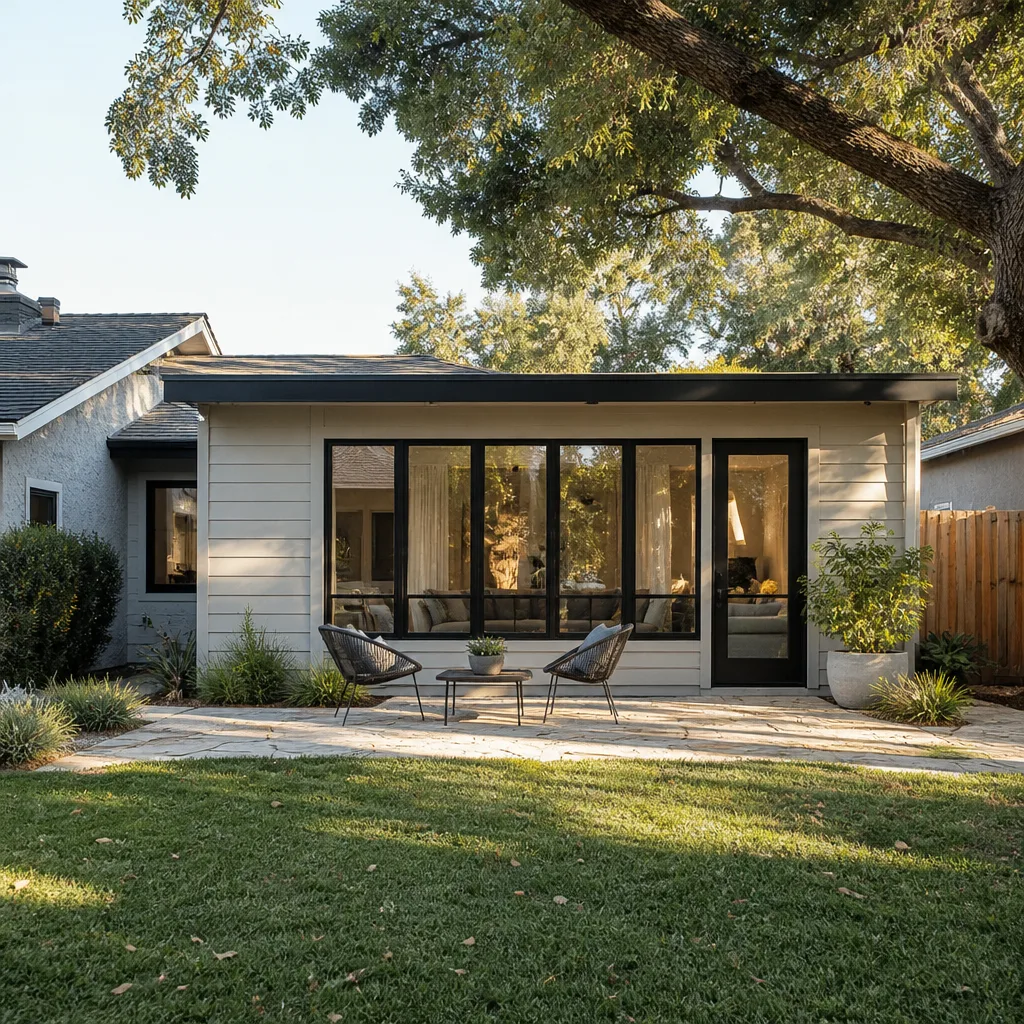
Brand selection is where long-term value gets set. In Santa Clara’s residential construction market, the homeowner who reads the data sheet and verifies certified installation ends up with a project that performs to spec. The four categories worth comparing closely are roofing, pavers and hardscape, composite materials, and windows. In the others, spec and installation decide the outcome. One contractor covering the full scope makes the comparison easier, since the same team can align the material choices across phases. Estimates are free, and the written estimate sets the price before work starts.
Call (844) 435-8936 to schedule your free estimate. We answer 24/7. Fast dispatch from 7am to 7pm, Sunday through Friday.
Written by the team at Construction Santa Clara.
See the difference
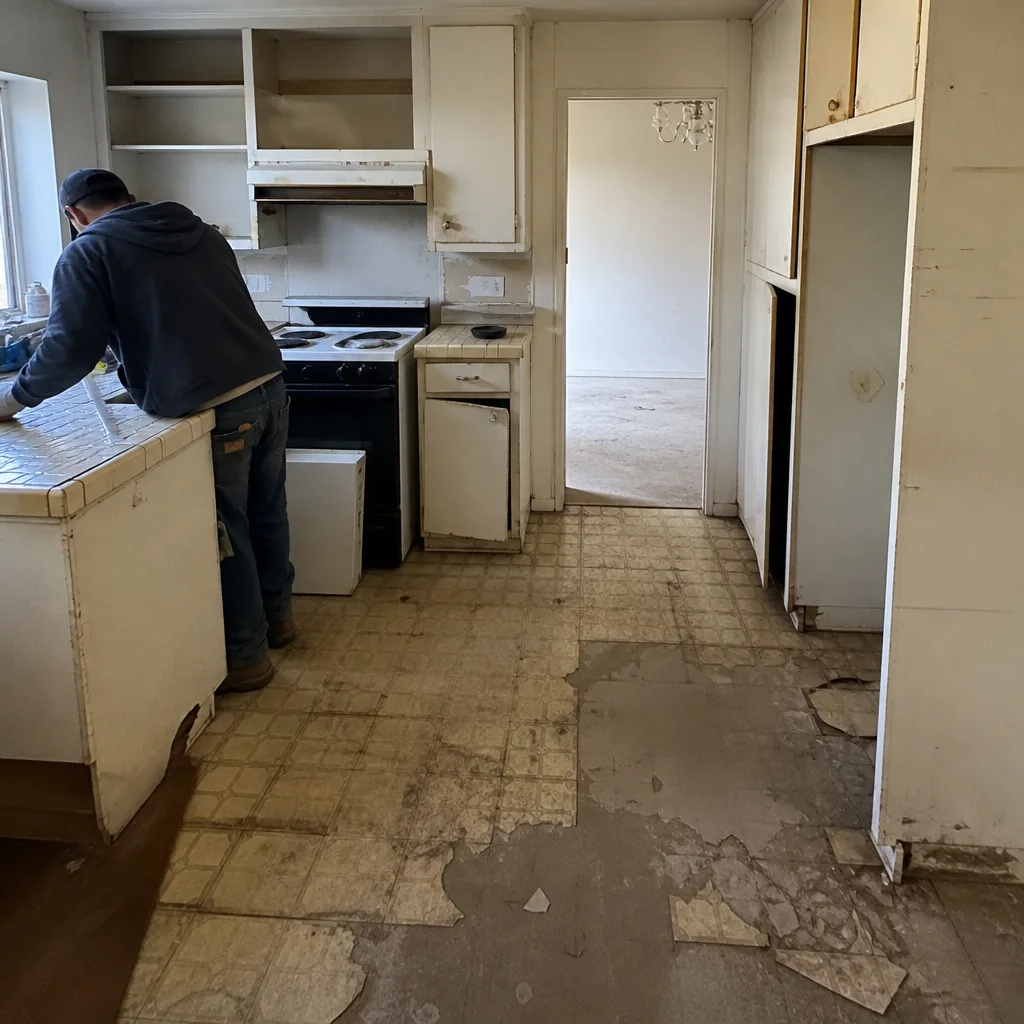 Before
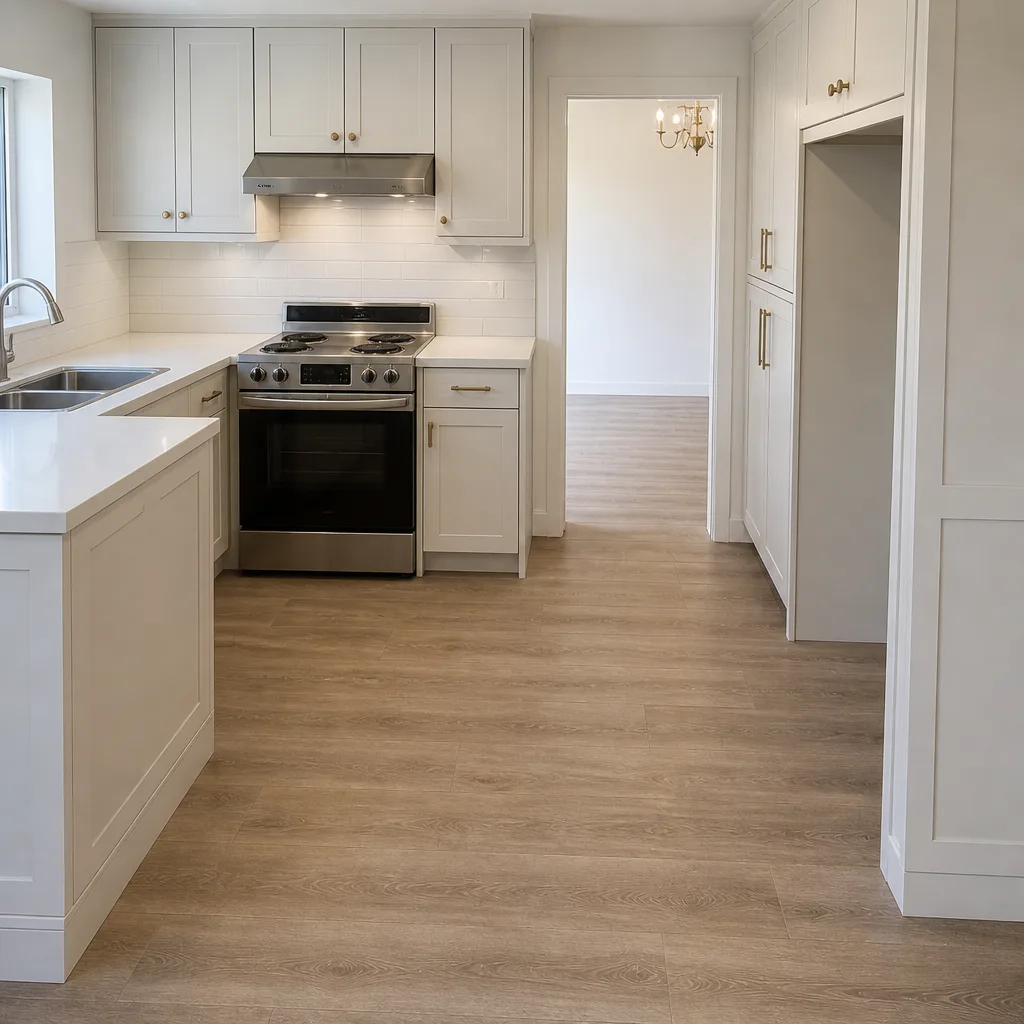 After
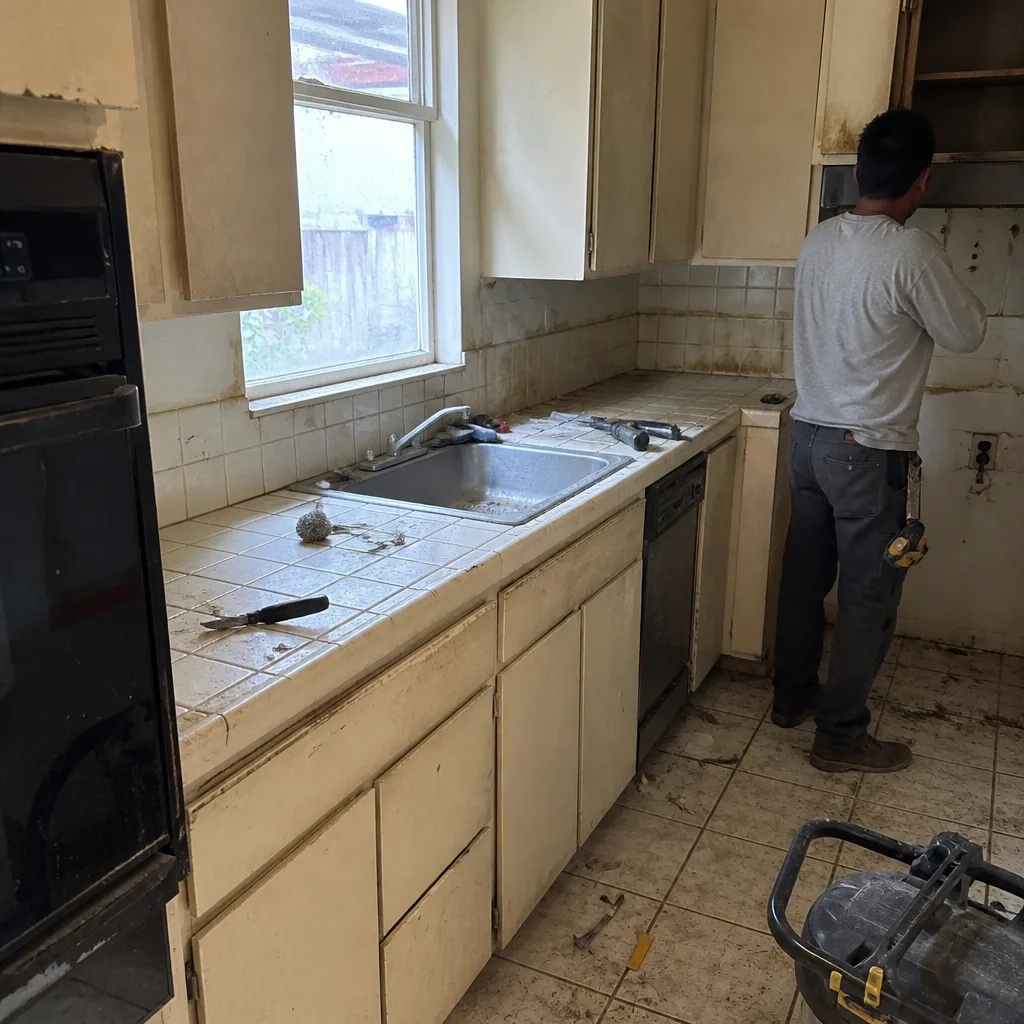 Before
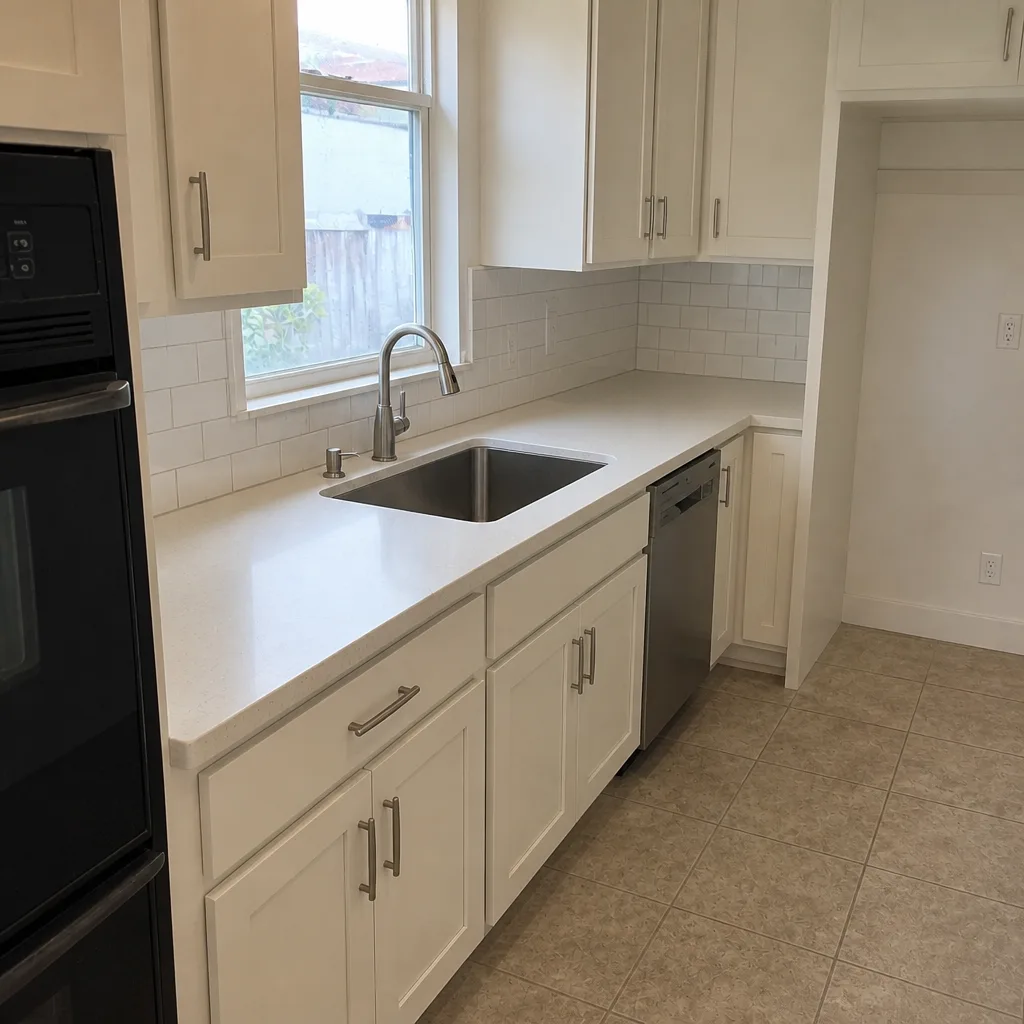 After
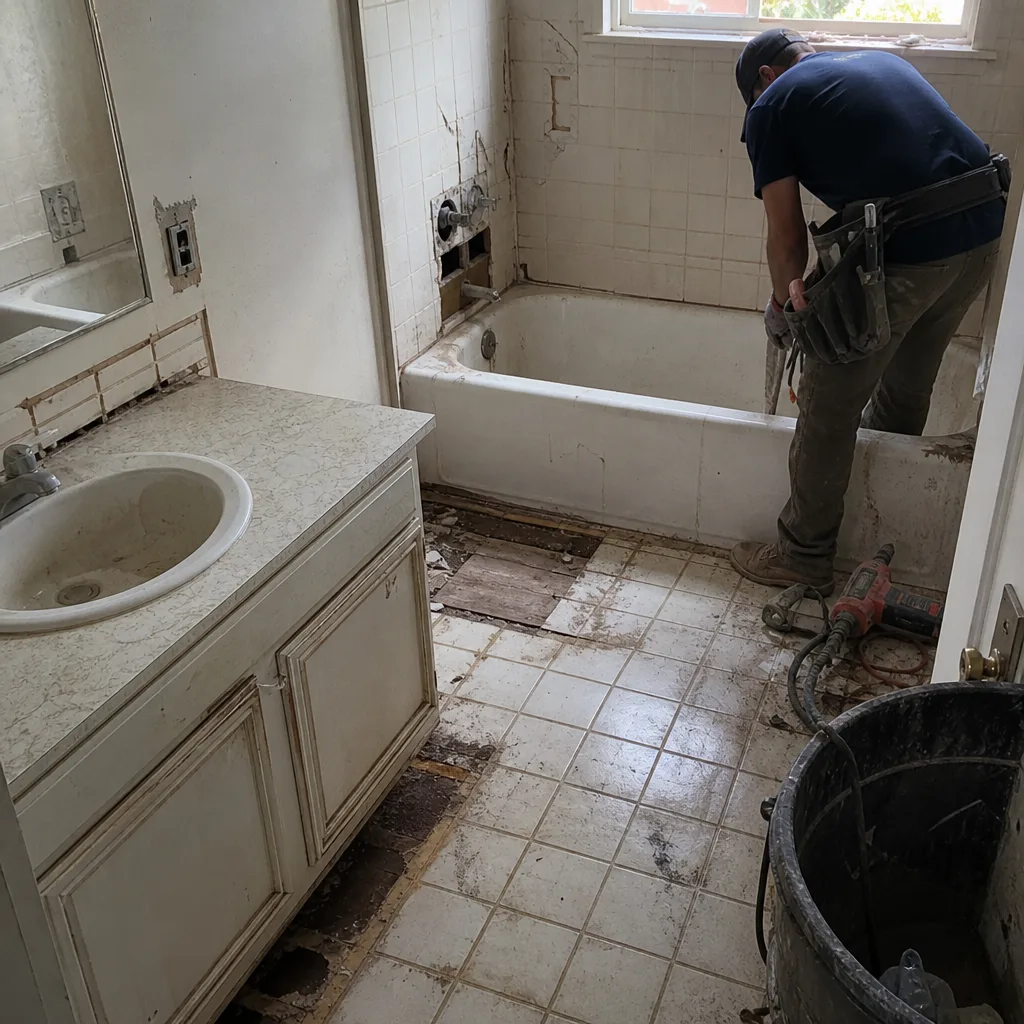 Before
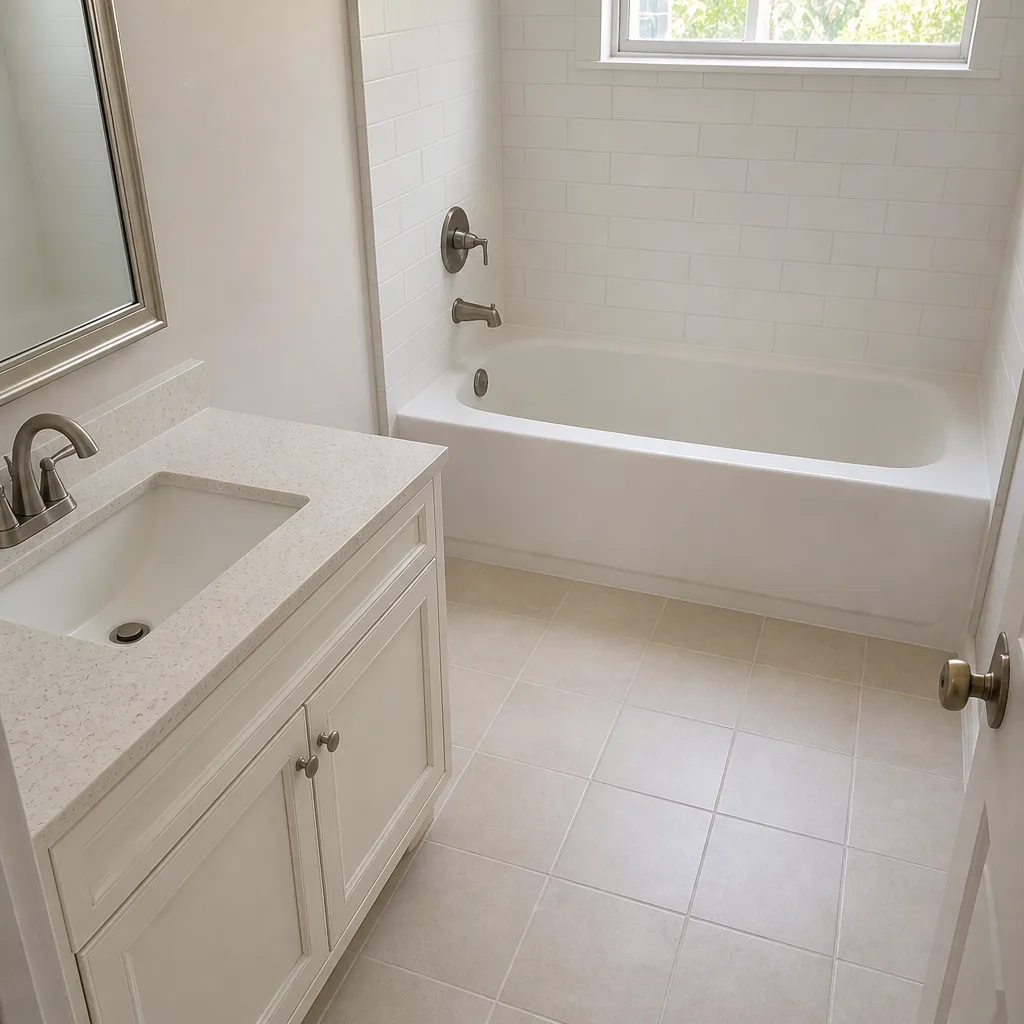 After